

Oregano is a wonderful herb, with many uses, and there are many plants given the name “oregano.” Each one offers a different flavor profile. In this article we aim to offer an overview of using oregano, not a specific recipe.
Plants Named Oregano
I cover names of oregano and growing it on Gardening With Soule. (Note: I am preposting these articles before some travel, and thus can’t offer a link to it yet.)
There are many things called oregano, including some we Savorists have written about, and shared about on our social media pages. One such is oreganillo (Aloysia wrightii), also called Mexican oregano.
Most confusingly there are a number of species – in various plant families – all called “Mexican oregano.” The list includes Lippia graveolens, Lippia micromera, Poliomintha bustamanta, Poliomintha longiflora, and even Salvia leucantha. Not to mention there’s a Andean oregano (Porophyllum ruderale), and Cuban oregano (Coleus amboinicus, also sold as Plectranthus amboinicus). No doubt I am missing a few. These different oreganoes are in different plant families and will taste slightly different.

Then there are the oregano brought into our area from the Old World. There is the original plant called oregano. Origanum vulgare (vulgare meaning oregano of the fields) comes from the dry mountains of the eastern Mediterranean, including present day Greece, Turkey, and Kurdistan. Then there is the cousin, Greek oregano (Origanum vulgare subspecies hirtum – meaning hairy). Other species you may come across include Turkish or Cretan oregano (Origanum onites). Indeed, you may run across marjoram (Origanum majorana) or even Italian oregano (Origanum X majoricum).
Any of these 12 different oregano species may be used in a dish and called oregano!

Oregano in Other Lands
That odd dried leafy flavoring herb used in a dish from the Punjab? It just might be oregano. Oregano and oregano flavored plants are used around the world. Here are some of the names for the oregano flavored herbs.
    Turkish: kekik
    Telugu: mridumaruvamu
    Tamil: karpuravalli
    Swedish: oregano, vild mejram, kungsmynta
    Spanish: orégano
    Sanskrit: maruvaka
    Punjabi: mirzanjosha
    Marathi: owyachi paane
    Malayalam: kattumaruva
    Japanese: hanahakka
    Italian: erba acciuga, origano
    Hindi: ajwain ki patti, sathra, mirzanjosh
    Hebrew: zar'tah
    Gujarati: ajamo
    Greek: regane
    German: oregano, wilder majoran
    French: marjolaine bâtarde, origan
    Dutch: wilde marjolein
    Chinese: ngou lahk gong, ngauh ji
    Bengali: joan
    Arabic: anrar, satar barri
Oregano Used in “Mexican Cooking”
I am so tired of people on the interweb saying that “Mexican cooking” is this or that. They are painting with such a broad brush! There are 32 different “federative agencies” in Mexico. This means there are 31 states and the DF or Distrito Federal of Mexico City. 31 states! To say that “Mexican cooking” is just one thing is to say that Hawaiian food is the same as the food from Maine! Heck, even the food of northern Sonora differs from that of southern Sonora – and that is just one single Mexican state. Not to mention – there are so many differing species of “Mexican oregano” to add to the cooking. Especially since some of the oregano are from different plant families – and each different one with it’s own flavor profile!

Oregano can be found in Mexican dishes throughout Mexico. Including: caldo de res, rice, enchilada sauce, mole, carne asada, pozole, menudo, tacos, fajitas, barbacoa, salsa verde, salsa rojo, pico de gallo, and just about any other savory dish. All depending on the region.
Harvest that “Oregano”
What ever species of oregano you choose to use, harvest is much the same. The best time to harvest oregano is just before it blooms. Many herbs increase their production of essential oils as they go into bloom since it is a time when they especially need to protect themselves from depredation by insects or herbivores like deer, rabbit and javelina.
When you first start growing oregano, “harvest” may mean pinching a few stalks back with your fingers. Once your patch gets larger, trim it right down with strong kitchen scissors or pruners. Trim to about two inches high, so it forms a low mat of leaves. Don’t worry, it will get tall again.

Preserve
 Dry all herbs out of direct sunlight. Why? You know all the warnings about what sunlight can do to your skin cells? Well, the delicate flavors and fragile chemical bonds that form both flavor and healing chemicals are just as susceptible to damage by the suns rays as human tissues.
One quick way to dry herbs. I spread the cut stems on top of folded paper bags placed on top of the bookshelves. A ceiling fan running during the day helps dry them quickly. The quicker the drying, the less breakdown of leaf material there is, and thus the sweeter the flavor and less bitter the background notes.
More on drying oregano on our YouTube
Cooking With Fresh vs. Dried Oregano
When using oregano in recipes, it’s important to understand the general difference between fresh and dried.
Fresh Oregano Cooking
Fresh oregano is more fragrant and subdued in taste compared to its dried counterpart. It is ideal for dishes that cook quickly, as its flavors are released without being overly concentrated. Using fresh oregano is uncooked dishes such as pico de gallo help the dish look pretty while while boosting flavor.

Dried Oregano Cooking
Dried oregano has a concentrated flavor that can stand up to longer cooking times. It should be added earlier in the cooking process to allow its flavors to meld beautifully with other ingredients. It’s often best for marinating meats, in slow-cooked stews, or in sauces.
How to Store Oregano
As with any herb, if you want to maintain the flavor of oregano, proper storage is required.
Fresh Oregano Storage
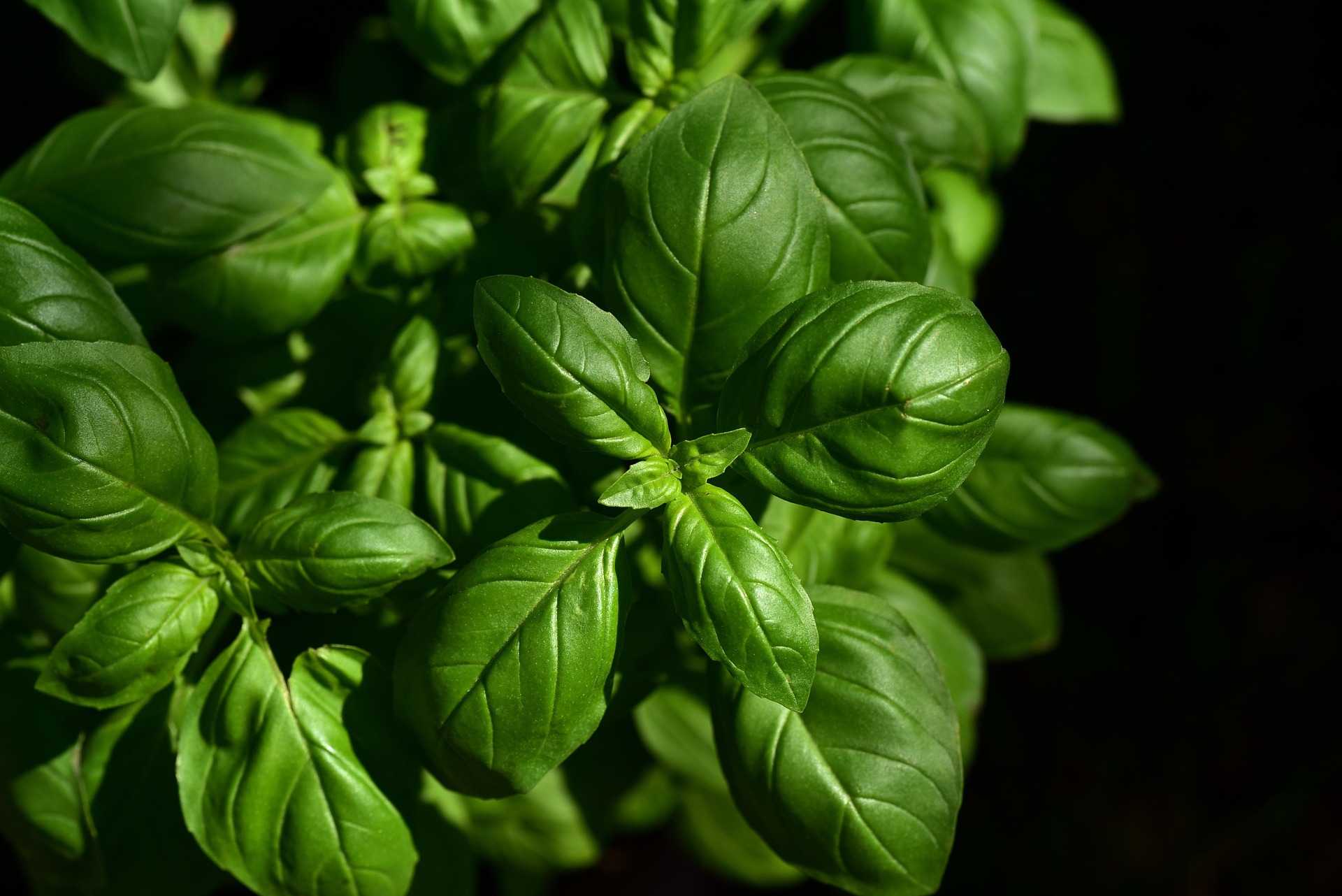
Much like fresh basil (discussed here) you can make a bouquet of your oregano to store it. Simply prepare the stems by removing any leaves that might contact water, and then make a fresh cut on the end of the stem so it can better absorb through unhealed tissues. Optionally give your bouquet a “hat” of a very loose piece of plastic. Do not place in sunlight.
Most fresh oregano species can be stored in the refrigerator. Wrap first in a damp paper towel, then place it in a beeswax wrap or a plastic container. This can keep it fresh for about a week. Don’t do this with Cuban oregano. It will turn to mush below about 46F.

Dried Oregano Storage
For all dried herbs, including dried oregano, store it in an airtight container in a cool, dark place, away from direct sunlight and moisture. Properly stored dried oregano can retain its flavor for about 18 months in our dry Southwestern air. That said, flavor is best used within a year.
Use all your herbs before you add fresh to the jar. If there is just a dab left – it is okay to compost it. The kitchen gods will forgive you.
Label Your Herbs
I use a waterproof marker and label my jars with contents plus the date of filling. How do I get rid of those labels when I use that canning jar for something else? Rubbing alcohol and a rag. Here’s my video on this easy kitchen “hack” for permanent marker. I do still hate that term “hack.” When I hear “hack” sounds coming from the vicinity of my feline, I make a dash to get a rag under his face.

Non-Cooking Uses of Oregano
Standard disclaimer now necessary – this information is for entertainment purposes only. Besides its culinary uses, oregano is used by many people medicinally. It is considered by some to be an antiviral, antibacterial, antifungal, and antiparasitic. There are a number of studies done in other nations on this topic.
As scientist, I can say that some of these studies are very “robust.” This term means they have a good sample size. It is done “double blind” so that both the person giving the substance and the person taking the substance had no idea which they were getting.

Oil of oregano is reported to destroy organisms that contribute to skin infections and digestive problems, strengthen the immune system, increase joint and muscle flexibility, and improve respiratory health.
The medicinal properties or oregano appear to be from high concentrations of thymol and carvacrol. Caution is needed since carvacrol appears to reduce the body’s ability to absorb iron. Moderation is, as always, important.
Women and Iron
 Science Nerd went off on a investigation “rabbit hole,” and is one of the take away messages.
Iron molecules are especially needed by the female body to produce female hormones, progesterone and estrogen. Reduction in these hormones allows the testosterone that is produced by humans bodies to be more noted by the body. To put it delicately, a woman experiencing menses has those three hormones swirling around in her body. Harder still is perimenopause and menopause. Then the testosterone attains ascendancy and women are basically going through some of the same issues as teenage boys, they have just had more experience at dealing with hormonal shifts.

Thinning hair? It’s a real issue, especially for women with a genetic predisposition to hair loss. It is known that if a woman’s father is balding or bald, she will tend to lose hair post menopause. Back to iron. Several small studies indicate that iron which can be absorbed by the body is looking like one piece of the jigsaw puzzle of hair loss factors. In some cases, extra iron entirely solves the problem for perimenopausal women.
Oregano on the Homestead
Savorist Monica King grows oregano for her chickens. She cuts several hands full and places it in their coop. A ruckus ensues in the flock as some oregano is gobbled down, much is rolled in, and some of the cut sprigs are carried off to the chickens nesting boxes. She says the fresh oregano seems to keep them healthy and free of feather lice.

Another homesteader I know uses oil of oregano to rub on the hips of her elderly sheep dog. He has guarded her flock of sheep for many years but his joints are getting old and she says he seems to be in less pain this way.
We would love to hear if you use oil of oregano – and how. There is space down below – which is way way down below if you read this on a phone.
Oregano is one of the “Father Kino’s Herbs”
 The last few copies of this out-of-print award winning Southwestern book are now for sale. Father Kino’s Herbs: Growing and Using Them Today The review says:
“Award-winning garden writer Dr. Jacqueline A. Soule has pulled together a fascinating book on the life of Father Eusebio Francisco Kino and some of the plants that he brought to Southern Arizona and northwestern Sonora, and area called the Pimeria Alta.”
This link is to our book sales site. The profits from the sale go to the local Horticulture Therapy non-profit Tierra del Sol Institute. We hope you will help support this great Southwest non-profit!
You can learn more at the Kino Heritage Society. (.org)
Legal Notes
© Article copyright Savor the Southwest // Jacqueline A. Soule. All rights reserved. You must ask permission to republish an entire blog post or article. Okay to use a short excerpt but you must give proper credit. You must include a link back to the original post on our site. No stealing photos.
Disclaimer
The authors of this website have researched the edibility of the materials we discuss, however, humans vary in their ability to tolerate different foods, drinks, and herbs. Individuals consuming flowers, plants, animals or derivatives mentioned in this blog do so entirely at their own risk. The authors on this site cannot be held responsible for any adverse reaction. In case of doubt please consult your medical practitioner.

Be the first to reply