
Flower season is starting! Spring is slowly approaching, and plants are beginning to bloom. The flowers are lovely to look at – but as it happens many of them can also be used for culinary purposes. The list is at the bottom of this article, or also on our Forage page. There are some safety tips for harvesting edible flowers.

Using Flowers
You can add many tasty spring flowers to salads and stir fry, fritattas and quiche. You can put them in alcohol with some sugar and allow them to infuse their flavor, like we did to make a cordial with wild rose.
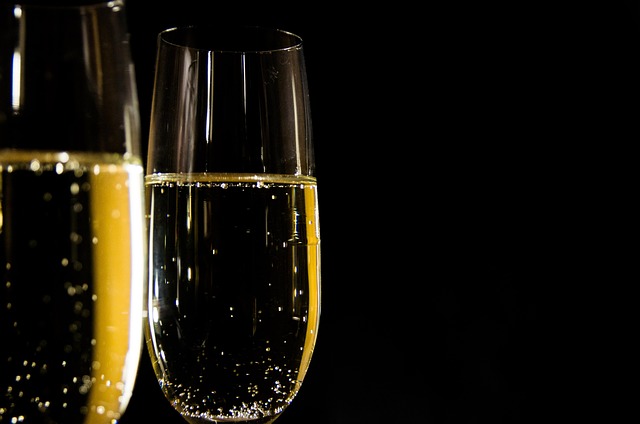
But if you are interested, you can go the next step and make a fermented beverage with flowers – especially flowers that are nectar rich, like elder flowers. Today we will look at making a mildly alcoholic, “sparkling” drink.
Not too sure about fermenting flowers? If you have ever had kombucha – this is basically the exact same process – except we are using local flowers instead of the brewed leaves of Camelia sinensis.
Sparkling Fermented Flowers
Ingredients
1 cup edible flowers
1 cup organic cane sugar
2 cups filtered water
3 Tablespoons lemon juice
If you have more flowers, you can certainly double or triple this recipe.

Instructions
Step 1. Dissolve the sugar in the water in a glass jar. Avoid using plastic.
Why not honey? I don’t know why not. I shall make a test batch this spring I learned it with sugar and just always did it this way.
Step 2. Add the lemon juice. It contains citric acid helps the flowers not turn brown. It also decreases the chance of the formation of “bad” mold.
Step 3. Add the flowers and stir gently. Try to avoid bruising them, but do get them in under the liquid.

Step 4. Cover jar with a bandanna or several layers of cheesecloth. The mixture will need to breathe. Tie it on or use a rubber band.
Step 5. Leave the jar to sit, out of sunlight, in a room between 65F and 72F but not warmer.
Step 6. Shake it up! I use a wooden spoon and stir mixture well twice daily – once in the morning, once at night. Or you coul place a solid cap and shake the jar.

Is It Done Yet?
Step 7. In 2 to 5 days you should notice bubbles. This means the yeasts are doing their thing and dividing, and producing their natural gasses. I can’t be specific on the number of days – because it depends on flower type, each of which will have its own unique yeast and bacteria species. Also, if you are a sourdough baker, some of those species can get in there too (not a bad thing).
Once you see bubbles, start doing small taste tests – so you develop an eye for how the ferment develops with age. I have had a few batches go bad (sour) and get poured out under the bushes, or into the compost heap. The sugar and moisture are good for the soil organisms.
Step 8. Two weeks is the longest you want to let a flower ferment develop. Usually they are ready within 7 to 10 days. Too long and they are no longer tasty, and they start turning into wine. We are trying for a mildly alcoholic, “sparkling” drink.
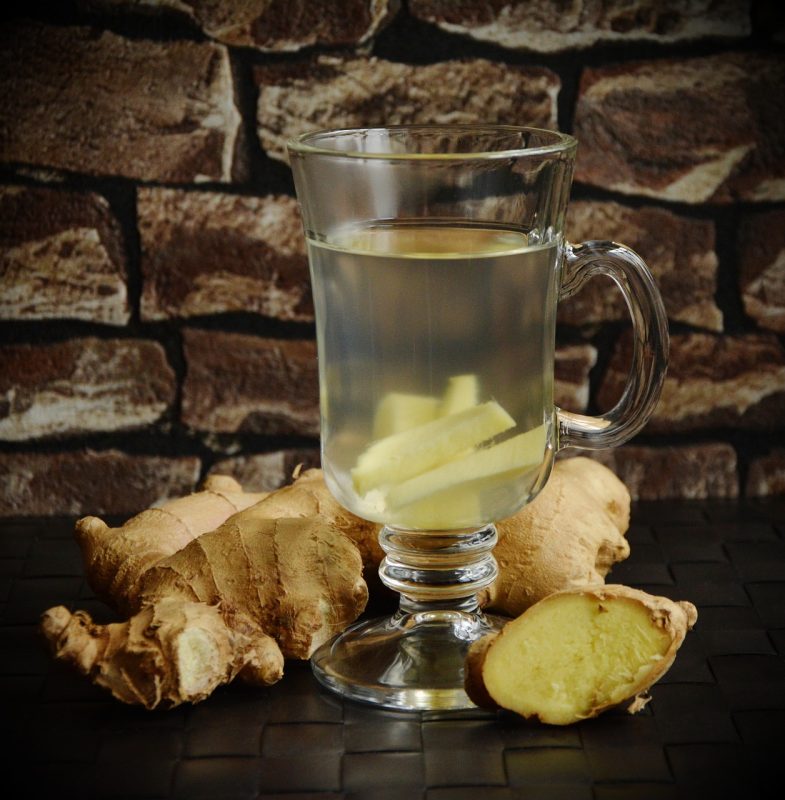
Strain out flowers. Cap the jar(s) with a solid cap and place finished ferment the fridge. The cold temperature will stop the fermentation/microbial activity. Begin drinking immediately as-is or use in mixed drinks. Flower ferments continue to “dry” (lose sweetness and sugar content) the longer they’re in the fridge. Mine don’t last long, but the books say that they are best consumed within 3 months.
Spring Flowers Safe to Use
Some of these are already discussed with other uses – please see our Forage Page for the links.
agave petals – yes
brittle bush – the showy outer ray florets
cactus flowers – yes – petals without centers
cheeseweed – yes
desert willow – yes, flowers only
elder (elderberry) – yes
fairy duster – no
globe mallow – yes
honeysuckle (Lonicera) – yes, flowers only
locust tree (Robinia neomexicana) – flowers only

lupine – no
Mexican bird of paradise – no
ocotillo – yes
owl clover – no
palo verde – yes
paper flower – no
penstemon – no
poppy – no
rose – yes
sunflower – showy outer ray florets
tree tobacco – no
trumpet flower [Bignonia = yes, Tecomeria capensis = no]
violets – yes
yellow bells (Tecoma) – no
yucca – petals yes
Here’s The Cookbook!
 May we suggest our dandy little cookbook? Using Honey in New and Savory Ways offers 36 pages of tips for using honey in your cooking, as well as in all manner of dishes. A steal at only $6!
We hope you will help support some local Southwest folks!
From the review:
“Honey is for more than desserts and this book can help! Using honey in cooking savory dishes helps engage all your taste buds and adds a layer of added flavor to everyday dishes – plus holiday fare.”
Beekeeper? We offer volume discounts – because if you sell honey in local markets you might want to offer some of these books as well.
Legal Note
© Article copyright Savor the Southwest // Jacqueline A. Soule. All rights reserved. You must ask permission to republish an entire blog post or article. Okay to use a short excerpt but you must give proper credit. You must include a link back to the original post on our site. No stealing photos.
Disclaimer
The authors of this website have researched the edibility of the materials we discuss, however, humans vary in their ability to tolerate different foods, drinks, and herbs. Individuals consuming flowers, plants, animals or derivatives mentioned in this blog do so entirely at their own risk. The authors on this site cannot be held responsible for any adverse reaction. In case of doubt please consult your medical practitioner.
Be the first to reply