

Mint is useful for all manner of things, notably beverages, from mint tea to mint julep to crème de menthe, or you can use it to make jelly, various sauces, make tabouli, throw some in salad, in wine,,,, the list goes on, but you get the idea.
Not Everybody’s Favorite
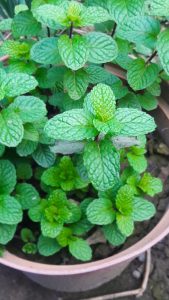 Mint gets a bad rap with gardeners because it can spread in the garden and crowd out other, less aggressive, plants. The solution is to grow this vigorous plant in pots – and make sure those pots are up off the ground so the mint can’t creep out the drainage hole. I put my pots up on bricks.
There are over 100 species of mint, plus many hybrids, and more being bred all the time – to offer new flavors – like “berries and cream mint” I spotted the other day in Rillito Nursery in Tucson. Since we are here to Savor the Southwest, today I will talk about using mint for culinary purposes.
Using Mint
Mint is an herb that offers a tangy counterpoint to foods, especially sweets. A slice of luscious chocolate torte offered with sprigs of mint is one good example. Several bites of rich creamy torte followed by a nibble of a leaf of mint offers a refresher for your palate, allowing you to savor the chocolaty flavor all over again when you bite back into it.

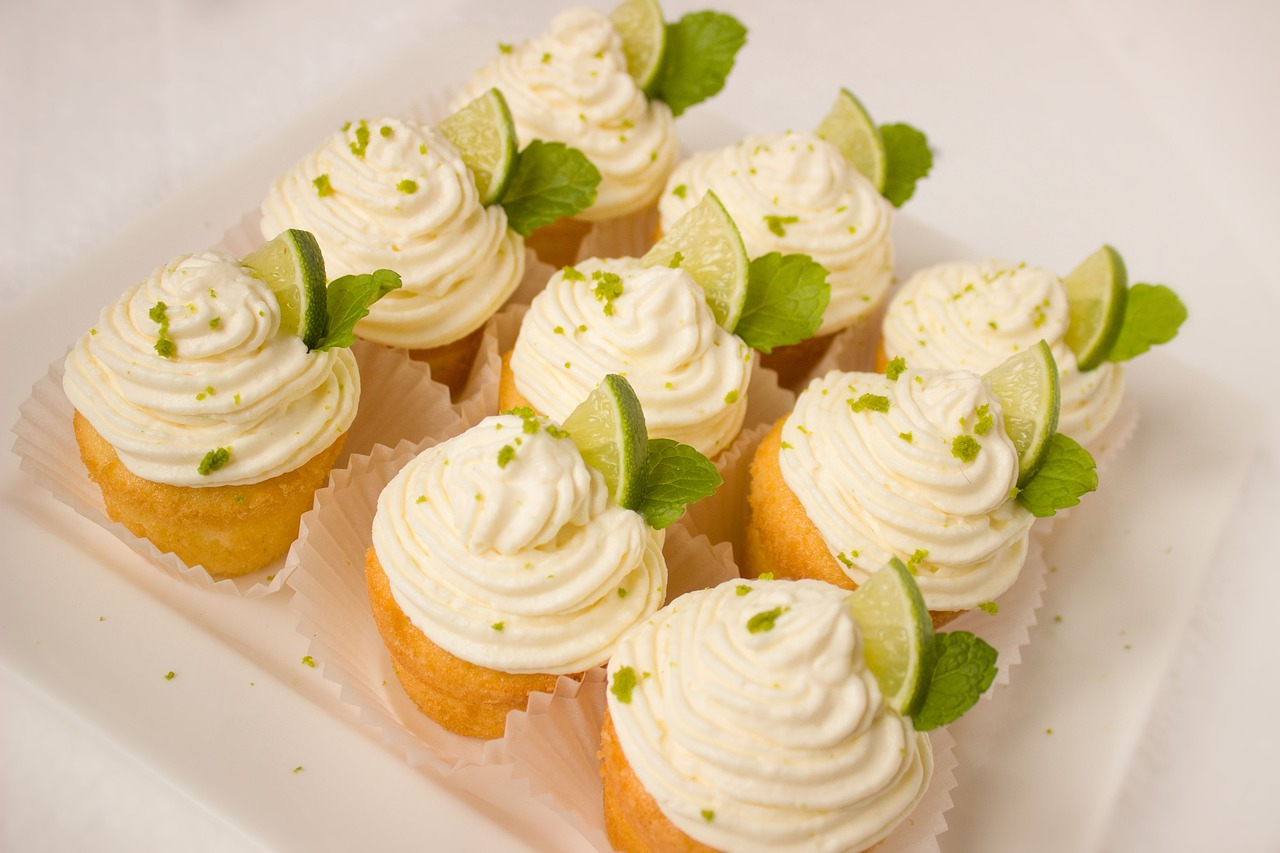
Mints work well with all manner of sweet things. Lime juice and chopped mint leaves combine to make a tangy and refreshing frosting on orange flavored cupcakes.
Mint pairs well with many fruits. Like savoring the torte, a few bites of strawberry followed with a nibble of mint offers a refreshing and more flavorful experience. It helps cleanse the palate and ready it for the next bite of rich food.
Don’t limit your mint use to dessert, wake up your morning yogurt and granola with a sprig or two of mint, or just a few torn up leaves. This herb is said to aid digestion.
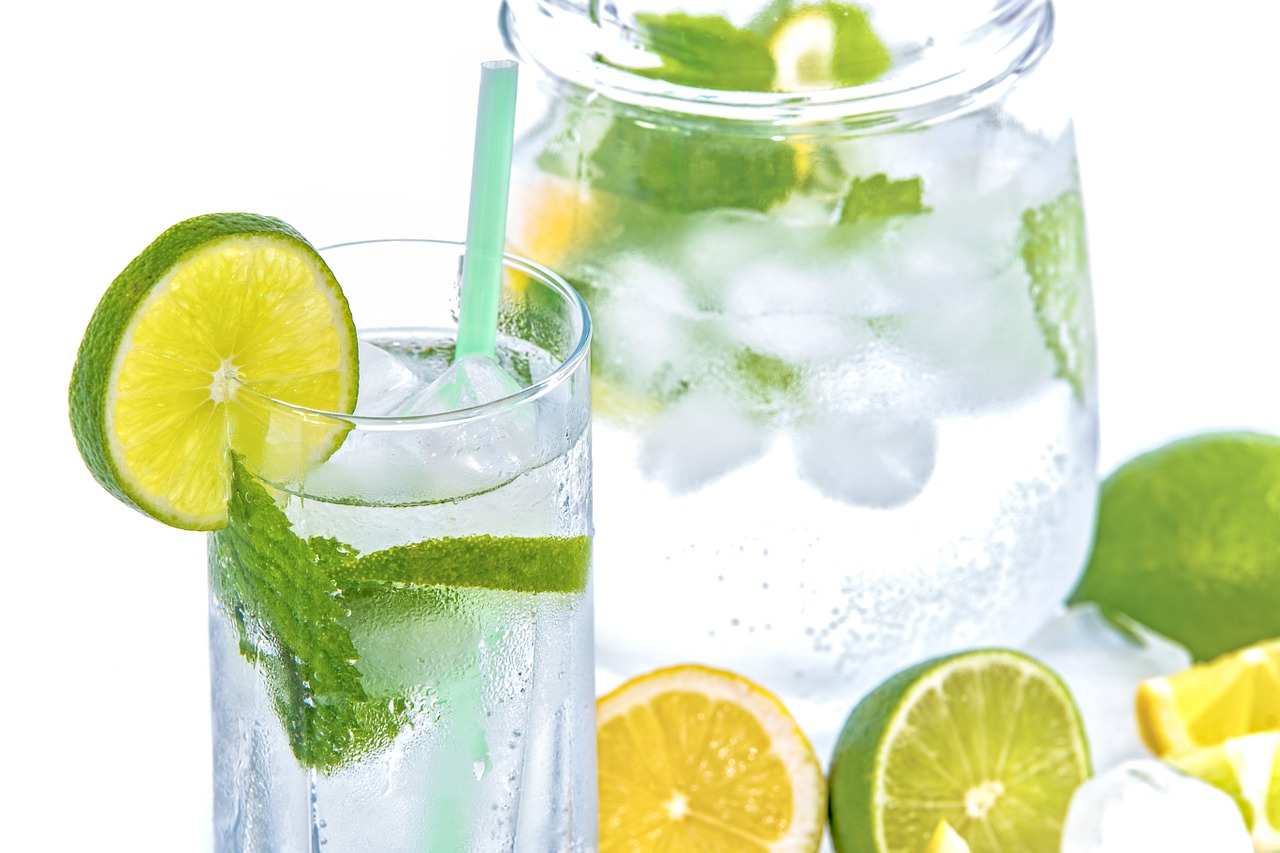
When the summer heat is upon us you can perk up your water, or lemon-aid, or iced tea and make it even more refreshing with some sprigs of mint. Make it prettier too if you have some guests.
Make Syrup
Want to have flavor and avoid going out in the heat? It is best to harvest your mint in the morning anyway – before the day heats up, and then make some tasty mint syrup so you can savor the treat all day. Or if you buy mint in the market – make your syrup before it goes bad.
In a mason jar, put one cup sugar, one cup compressed fresh mint leaves, and add one cup boiling water. Stir as needed to help dissolve the sugar. When cooled, store in the back of the fridge for up to a month. Mint syrup can be used for mint juleps but it’s also a dandy way to sweeten iced tea. Or to make a nice cut of hot tea in the winter.

Mint Julep
Keep this handy for next May – and your Kentucky Derby party!
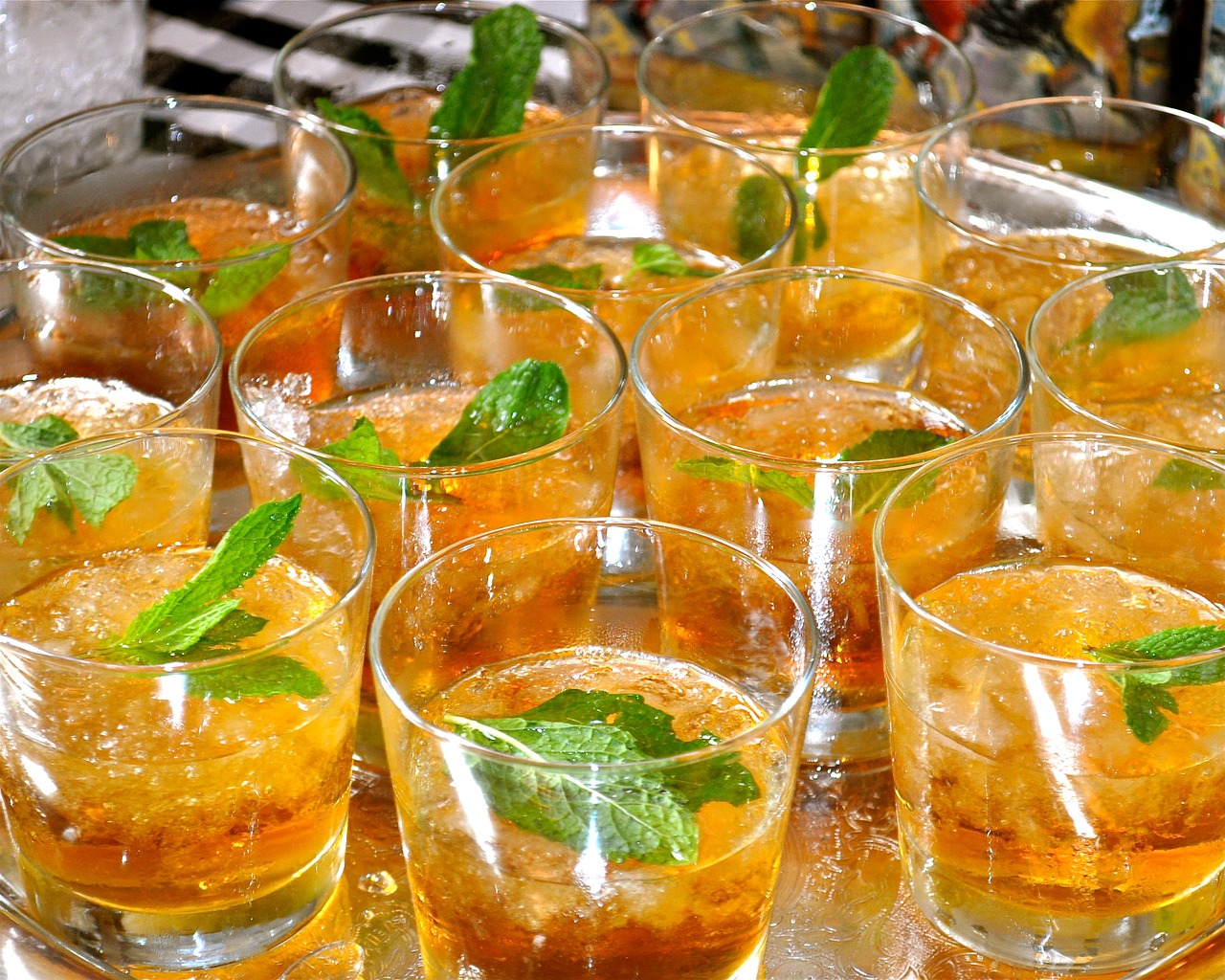
In a glass add 2 ounces of bourbon, 1 /2 ounce mint syrup, some sprigs of mint, and stir to bruise the mint leaves. Fill the glass with finely crushed ice. Optionally garnish with even more fresh mint. Sip and enjoy!
But Wait – There’s More!
Mints are used medicinally and for bath and beauty products too, but that will have to be a post for another day.
Here’s The Cookbook!
 May we suggest our dandy little cookbook? Using Honey in New and Savory Ways offers 36 pages of tips for using honey in your cooking, as well as in all manner of dishes.
We hope you will help support some local Southwest folks!
From the review:
“Honey is for more than desserts and this book can help! Using honey in cooking savory dishes helps engage all your taste buds and adds a layer of added flavor to everyday dishes – plus holiday fare.”
Beekeeper? We offer volume discounts – because if you sell honey in local markets you might want to offer some of these books as well.
Legal Note
© Article copyright Savor the Southwest // Jacqueline A. Soule. All rights reserved. You must ask permission to republish an entire blog post or article. Okay to use a short excerpt but you must give proper credit. You must include a link back to the original post on our site. No stealing photos.
Disclaimer
The authors of this website have researched the edibility of the materials we discuss, however, humans vary in their ability to tolerate different foods, drinks, and herbs. Individuals consuming flowers, plants, animals or derivatives mentioned in this blog do so entirely at their own risk. The authors on this site cannot be held responsible for any adverse reaction. In case of doubt please consult your medical practitioner.

Be the first to reply