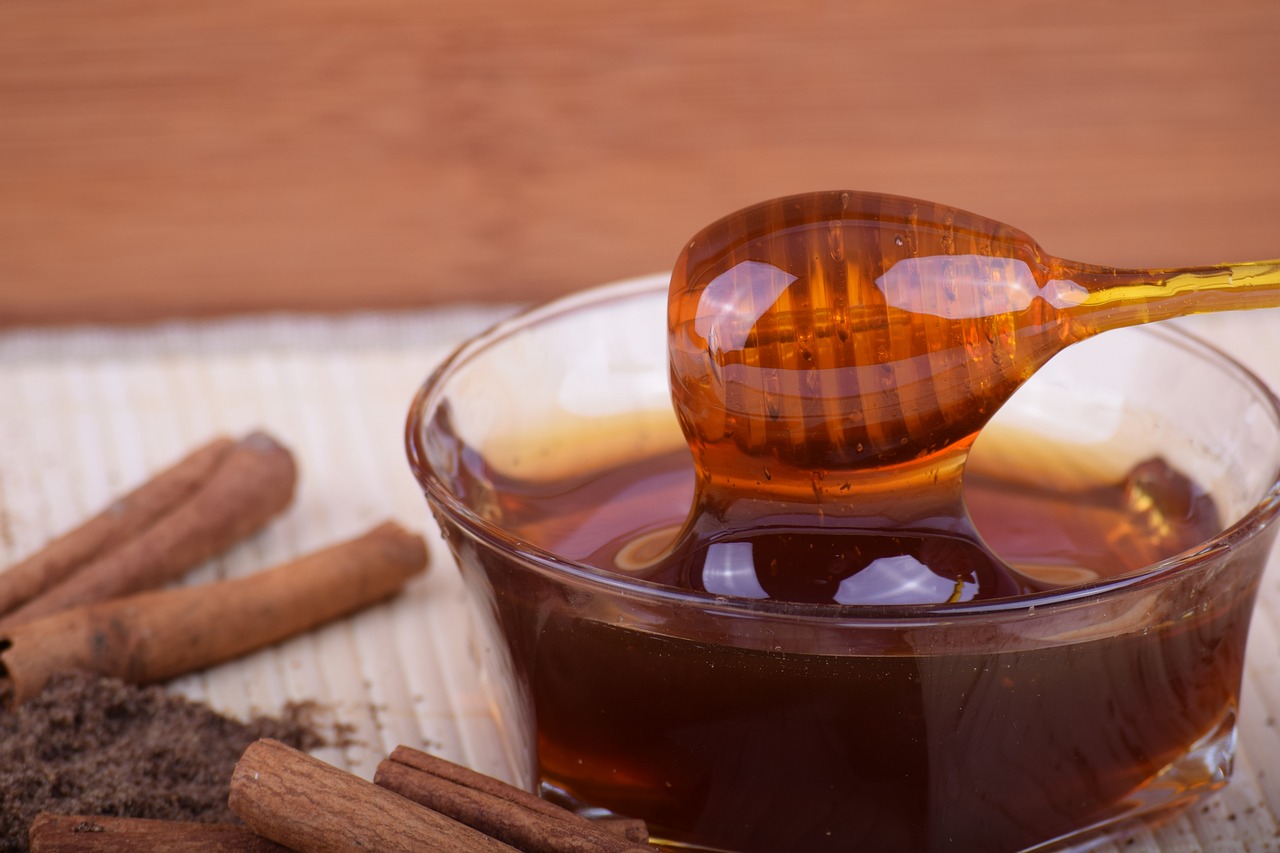
Finishing up our National Honey Month celebration, we offer a centuries old sweet dessert. The treat is called Dulsis Coccora and is linked to the name of the treat.
Why post it elsewhere? Because there are some folks muttering about having to “scroll for ages before we get to the recipe.” To keep you happy here is the honey history from Savorist (and preservationist) Monica King to go with the recipe.
Honey Harvesting is Ancient
National Honey Month was only started in 1989 to help promote American beekeepers and their work. But just how long have humans recognized the importance of honeybees?
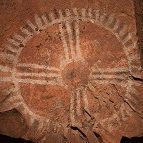
Archaeological evidence says at least 8,000 years. The bond between humans and bee is documented on cave paintings in the Cuevas de la Araña in Bicorp, Spain, are among the earliest evidence of human interaction with honey. These ancient paintings show a figure collecting honey from a wild hive. This image shows that honey was well known at the time. It also illustrates the ancient methods of such honey foraging, which were risky yet rewarding. As a modern day beekeepers we greatly appreciate the suits, even though they are hot and uncomfortable. But that reminds us to share with you This topic – swarm and hive relocation.
Bees Where you Don’t Want Them?
If you have a hive or swarm of bees, please call a specialist to deal with them. And PLEASE do not kill them. There are numerous people around the globe that will come and relocate the bees to a place where they are wanted and appreciated.
Read more on our page under “Resources” named Remove Bee Swarms Safely.
Ancient Egyptian Bees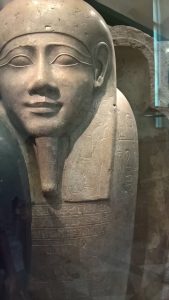
Over 4000 years ago in Egypt, they not only worshipped cats, they also worshipped the humble honeybee. They believed bees were the tears of the Sun God Re. On a papyrus written around 300 BCE, it reads, “The God Re wept, and the tears from his eyes fell on the ground and turned into a bee. The bee made his honeycomb and busied himself with the flowers of plants and so wax was made and also honey out of the tears of Re.”
Temples kept bees in order to satisfy the desire of the gods for honey. In medical papyri, 900 odd prescriptions were found and close to 500 of those listed honey as an ingredient. Not everyone in Ancient Egypt was allowed honey! Evidence suggests only those that worked with the Kings were allowed a ration of honey, while regular laborers were not privy to such a delicacy.
Keeper of the Bees
Titles such as “Keeper of the Bees” and “Sealer of the Honey” are found on ancient hieroglyphics. These “tears of Re,” stored in earthen clay jars was stamped with this important information, including location of where it was harvested. With such detailed records, the quality of the honey had accountability. No evidence has yet to be found suggesting what may have happened to the “Keeper” or the “Sealer” should something have gone wrong with the precious, sacred commodity.
Food for the Journey to the Afterlife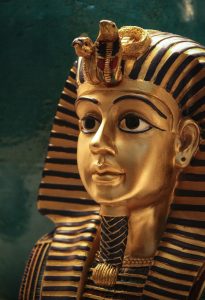
King Tutankhamun’s tomb, when opened, had a few containers of honey, thousands of years old, yet still identifiable. The honey had not rotten, not gone bad, but it had crystallized to the sides of the containers. This ancient honey, so well preserved that they could still tell the species of plants it came from, is a remarkable testament to the eternal shelf-life of honey.
Crystallized Honey
Editors Note. We share this last bit of information to remind you to never throw out your honey just because it has crystallized. You can add a tad bit of warm water and stir. Alternatively, warm the honey in a pot of water or in a microwave if you have one.
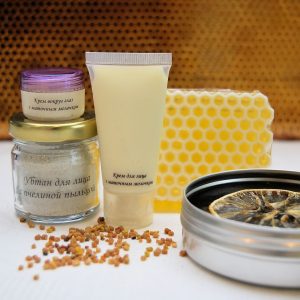
Modern day bee products are used to make human beauty products such as lotion, salve, bath salts and more.
Ancient Fermentation
Mead is possibly the world’s oldest fermented beverage, dating from 9,000 years ago. Also called “honey wine,” mead is the alcoholic product made by adding yeast to honey-water and fermenting it for weeks or months.Various things (like edible flowers) can be added for specific flavors.
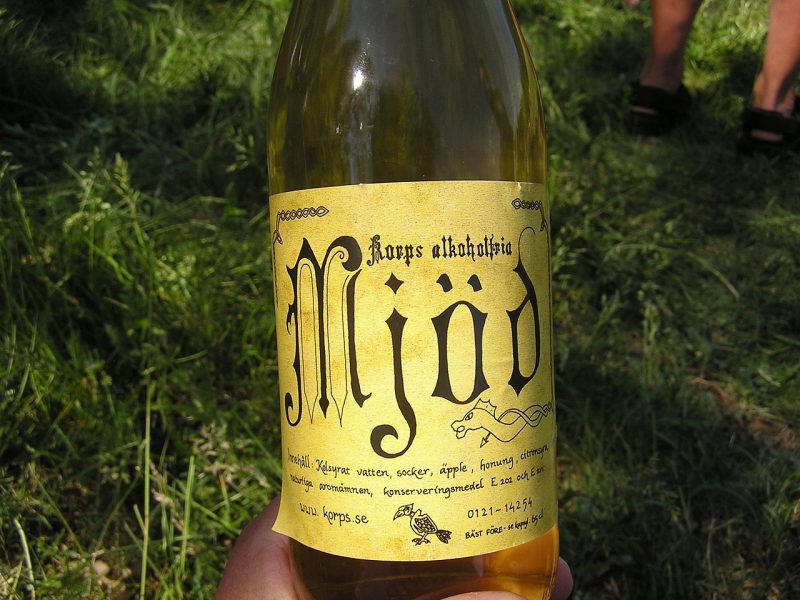
Mead shall have to be a topic for a future post.
The Honey Cookbook
We have this great little cookbook (IMHO) for sale when we are out there making our public appearances. Since there is already Christmas things in some stores – I will add this – our little cookbook is priced low enough to make a nice stocking stuffer! If you go to the book sale site and want to order more than one copy – just click on the “Special Orders” tab.
 Using Honey in New and Savory Ways offers 36 pages of tips for using honey in your cooking, as well as in all manner of dishes. Singned by at least one author and mailed to you!
We hope you will help support some local Southwest folks!
From the review:
“Honey is for more than desserts – and this book can help! Using honey in cooking savory dishes helps engage all your taste buds and adds a layer of added flavor to everyday dishes – plus holiday fare.”
Beekeeper? We offer volume discounts – because if you sell in local markets you might want to offer some of these books as well.
Celebrate September
Celebrate National Honey Month even if you never indulge in this sweet treat. Every human on earth reaps the rewards of the bees hard work! USDA reports that roughly one third of our daily diet relies on bees. If you are a “meat-atarian,” you still benefit – the bees pollinate the crops that meat animals eat.
Legal Note
© Article copyright Savor the Southwest // Jacqueline A. Soule. All rights reserved. You must ask permission to republish an entire blog post or article. Okay to use a short excerpt but you must give proper credit. You must include a link back to the original post on our site. No stealing photos.
Disclaimer
The authors of this website have researched the edibility of the materials we discuss, however, humans vary in their ability to tolerate different foods, drinks, and herbs. Individuals consuming flowers, plants, animals or derivatives mentioned in this blog do so entirely at their own risk. The authors on this site cannot be held responsible for any adverse reaction. In case of doubt please consult your medical practitioner.


Be the first to reply