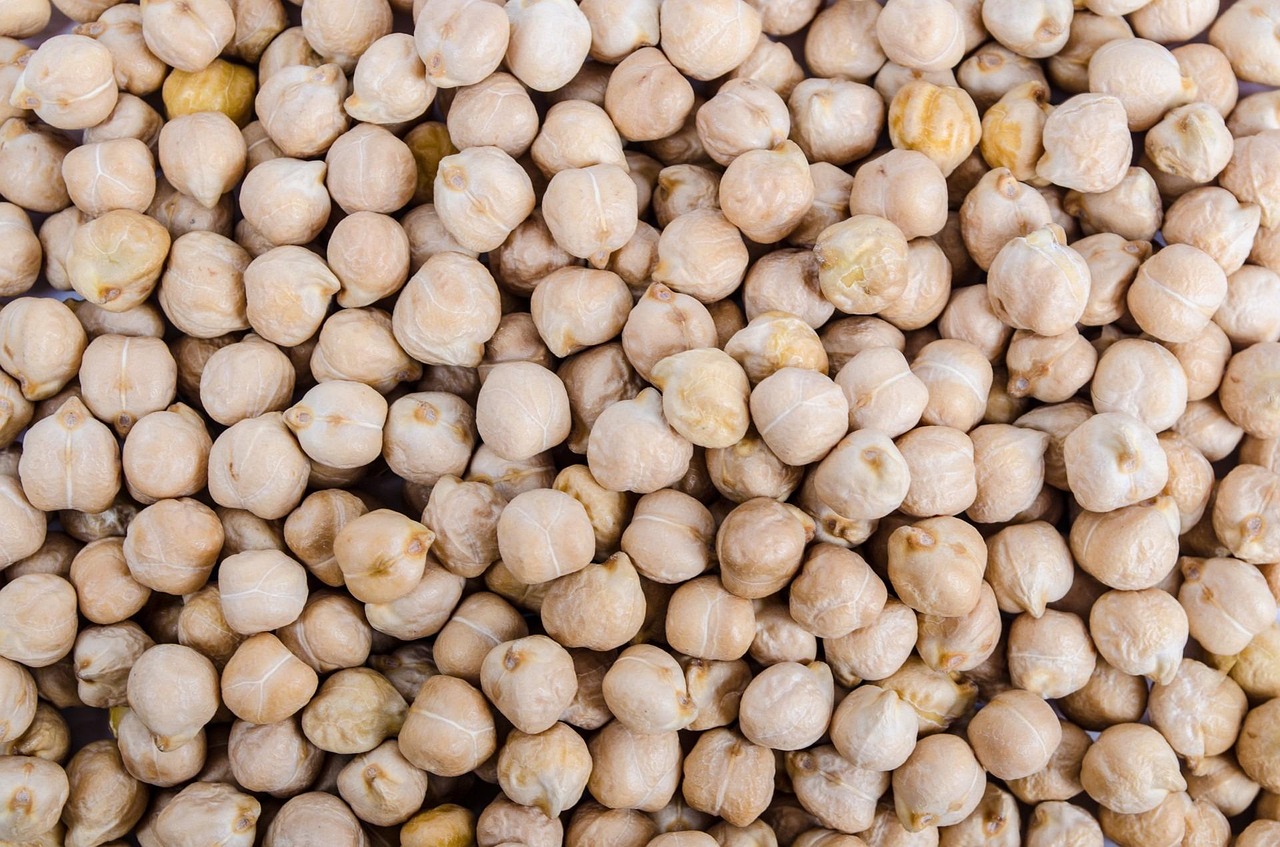
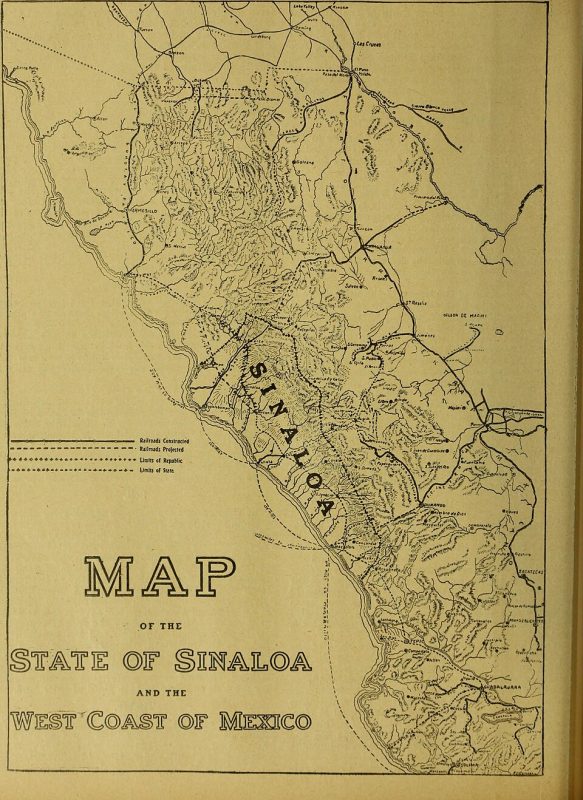
Garbanzo beans are popular in parts of Mexico. They grow very well in the Sierra Madre Occidental (Western Sierra Madre mountains) because the climate is much like that of Asia Minor, in what is now Eastern Turkey, where the plant originated. This climate is called a “Mediterranean climate,” notable for rains only in the winter and dry for much of the rest of the year. Sinaloa is one of the states in western Mexico where the beans are grown.
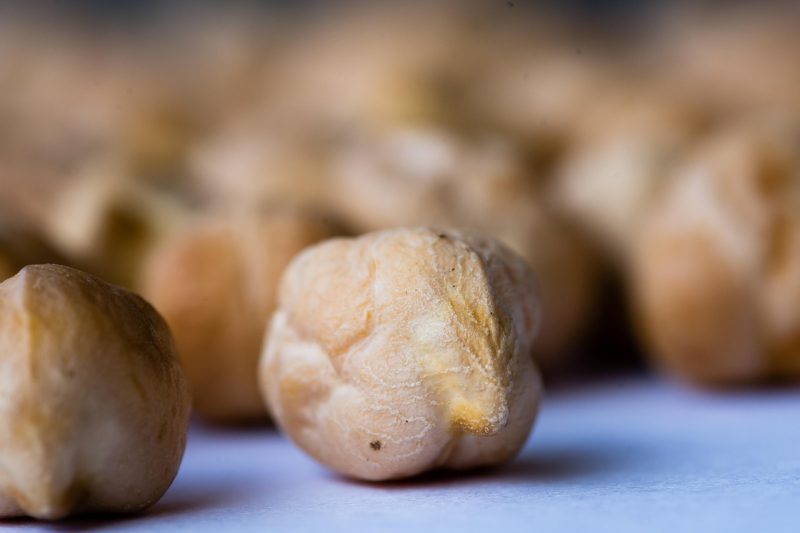
Garbanzo beans are Cicer arietinum. They are cultivated around the world and have thus gleaned many common names. They are also called chick pea or chickpea, garbanza, garbanzo bean, chana, channa, chana dal, Indian pea, Madras pea, gram, Madaras gram, Bengal gram, cici, ceci bean, hummus, kabuli, kabulli, desi, pois chicke, shihu, chola, and cheechee. Older names in the USA include: coffee pea, Idaho pea, Egyptian pea, and Gypsy pea.
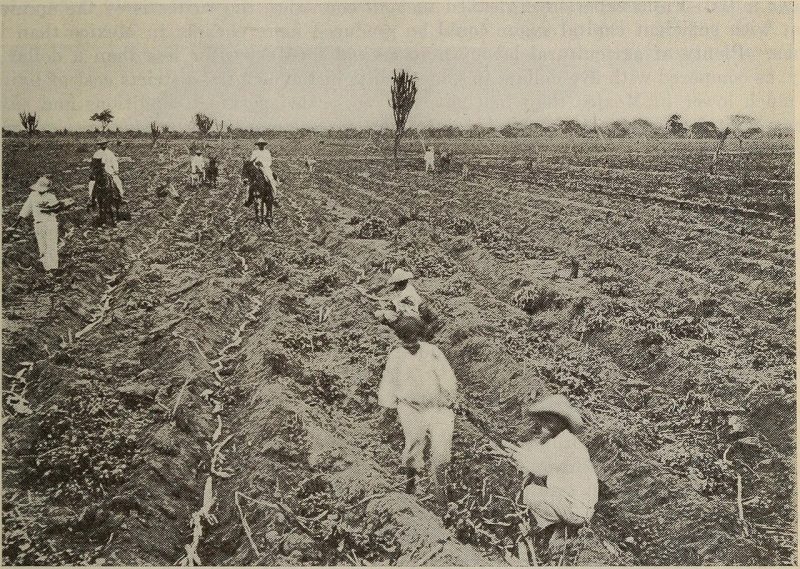
Garbanzo in Mexico
Garbanzo came to Mexico with the Jesuit missionaries over 400 years ago and have found there way into the cuisine of the states they are primarily grown in. For Instance, in Sonoran and Sinaloa, where they are commonly grown, they are called garbanzo. Moving towards the central regions of Mexico, you may come across the name cícer, which is the old Latin name for the crop (Jesuits, remember). Then moving into Oaxaca, garbanzos are called garbancillo.
Garbanzo beans currently have the third place in volume production of all the beans grown in Mexico, just after pinto beans and soy beans. They are exported to all consuming countries in the world.
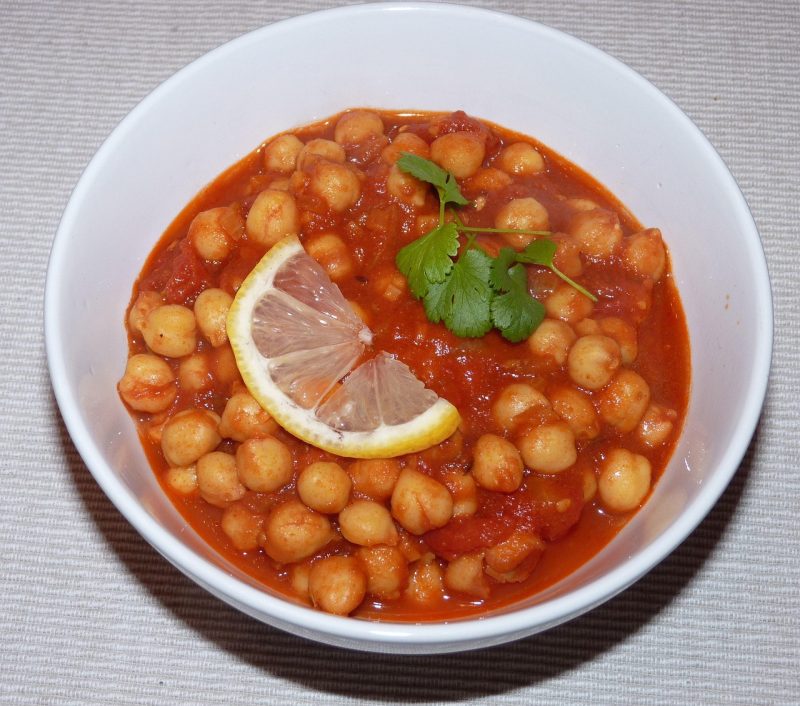
Since I (Jacqueline Soule), wrote a garbanzo growing guide for the Gardening With Soule site this week, I asked Uncle Smokey if he had a recipe for cooking the beans. He obliged with this.
Garbanzos a la Sinaloa
“Uncle Smokey here with a way to use those garbanzos. I had something like this in Sinaloa many moons ago. It was served with a single cooked chicken leg and a mound of corn tortillias. If you have traveled in small towns in Mexico, you know that at those little restaurants you don’t have a menu – you get whatever they are serving that day, and that day it was these yummy garbanzo beans.
You might already know that I like to make one pot meals because I hate washing dishes. Well, same with those Mexican restaurant owners. Smart people! I do think that the original dish I had, the garbanzo beans were cooked all day in a watered down enchilada sauce to thicken it. I have adapted the recipe for the American cooking methods – which boil down to, “I am hungry and want to eat now.” This would be far more rich and savory started in a crock pot from scratch early in the morning and simmered until dinner time.
Ingredients
     1 onion, diced
     4 cloves garlic, minced (2 teaspoons of the minced from a jar)
     oil to saute onion and garlic
     1 fresh tomato, chopped
     2 cups enchilada sauce (or one 15 ounce can)
     3 cups cooked chickpeas (or two 10 ounce cans from the store)
     optional leftover cooked chicken or a rotissary chicken from the store
     salt and pepper to taste
Instructions
Cut up the onion and garlic and start to saute.
Roughly chop the tomato before you clean the board. Measure the enchelada sauce and you can dump the chopped tomato into it.
Once the onions and garlic are sauteed, add the enchilada sauce and the cooked chickpeas. Add the chicken too.
Warm everything up and serve. Optionally with cilantro and lemon or lime.
A wedge of lime or lima is often served with all manner of dishes in Mexico.”
Historic Notes and Food for Thought
The garbanzo were originally cultivated by the ancient peoples of eastern modern-day Turkey, in the region around Mount Ararat. These Armenian peoples brought the original wild garbanzo in from the wild and bred them to be larger plants with larger beans, and a uniform height for easy cultivation. There are a number of wild species of Cicer still growing in the rugged mountains of what was once Armenia, but nowhere else on earth. Botanists call this the center of diversity, as recognize the area of highest wild diversity as the center of origin. It’s one way we can tell where for certain where various human crops originate.
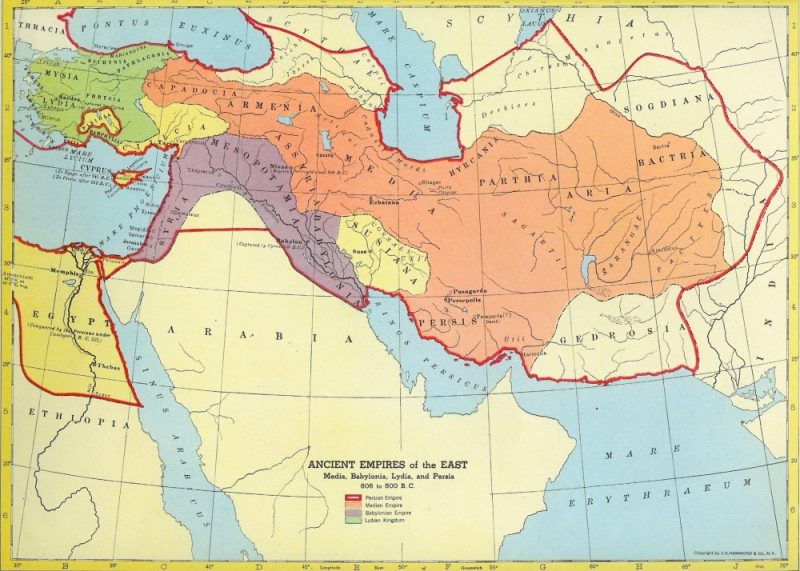
The ancient Armenians survived on the highly nutritious garbonzos and shared their goodness around the then known world, with the Seleucidians, the Atropatenes, the Byzantines and many more. The valuable low water crop was traded across Asia Minor into India and the deserts of present day China.

Recent History
When you read about garbanzos today, most sources highlight the fact that they were “cultivated in ancient Egypt.” Ahem. They were cultivated by the Armenians first. Let’s not erase their culture. Edited encyclopedias and crowd sourced information is all too often re-written by people with agendas. The agenda is to see Egypt, a country now ruled by Islam, as a beneficent entity.
Please pay attention to history and note that those peoples, the Armenians, as well as the original ancient Egyptians, the ancient Anatolians, the Seleucidians, the Atropatenes, and so many other native peoples and cultures were mostly exterminated by the Islamists in the jihads starting in 632 CE. The subtle shifting of the narrative from Armenia to Egypt is insidious (spreading harmfully in a subtle or stealthy manner). As I write this, in early 2026, the Islamists are currently trying to exterminate the Persian culture.
“Those who cannot remember the past are condemned to repeat it” – George Santayana
Our Promise: 100 Percent Organic Content
You will NEVER get AI generated anything from us. Not even story ideas. All ideas and all words are from our own brains and our own fingers. We DO fact check. In fact, we now fact check at least three times – because “truth is the intersection of three lies.” We have found profound inaccuracies in AI, including information that can be harmful if you follow the AI advice. And since we block AI from reading our pages, they are not learning from our writing.
100 percent organic content in our social media as well. Our Tiktok and YouTube videos are entirely generated by human beings. On our static media (Facebook) we may occasionally have a slip up and have an AI image – but never on purpose.
Possibly Father Kino brought some Garbanzos
 The last few copies of this out-of-print award winning Southwestern book are now for sale. Father Kino’s Herbs: Growing and Using Them Today The review says:
“Award-winning garden writer Dr. Jacqueline A. Soule has pulled together a fascinating book on the life of Father Eusebio Francisco Kino and some of the plants that he brought to Southern Arizona and northwestern Sonora, and area called the Pimeria Alta.”
This link is to our book sales site. The profits from the sale go to the local Horticulture Therapy non-profit Tierra del Sol Institute. We hope you will help support this great Southwest non-profit!
Legal
© Article copyright Savor the Southwest // Jacqueline A. Soule. All rights reserved. You must ask permission to republish an entire blog post or article. Okay to use a short excerpt but you must give proper credit. You must include a link back to the original post on our site. No stealing photos.
Disclaimer
The authors of this website have researched the edibility of the materials we discuss, however, humans vary in their ability to tolerate different foods, drinks, and herbs. Individuals consuming flowers, plants, animals, or derivatives mentioned in this blog do so entirely at their own risk. The authors on this site cannot be held responsible for any adverse reaction. In case of doubt please consult your medical practitioner.


Be the first to reply