
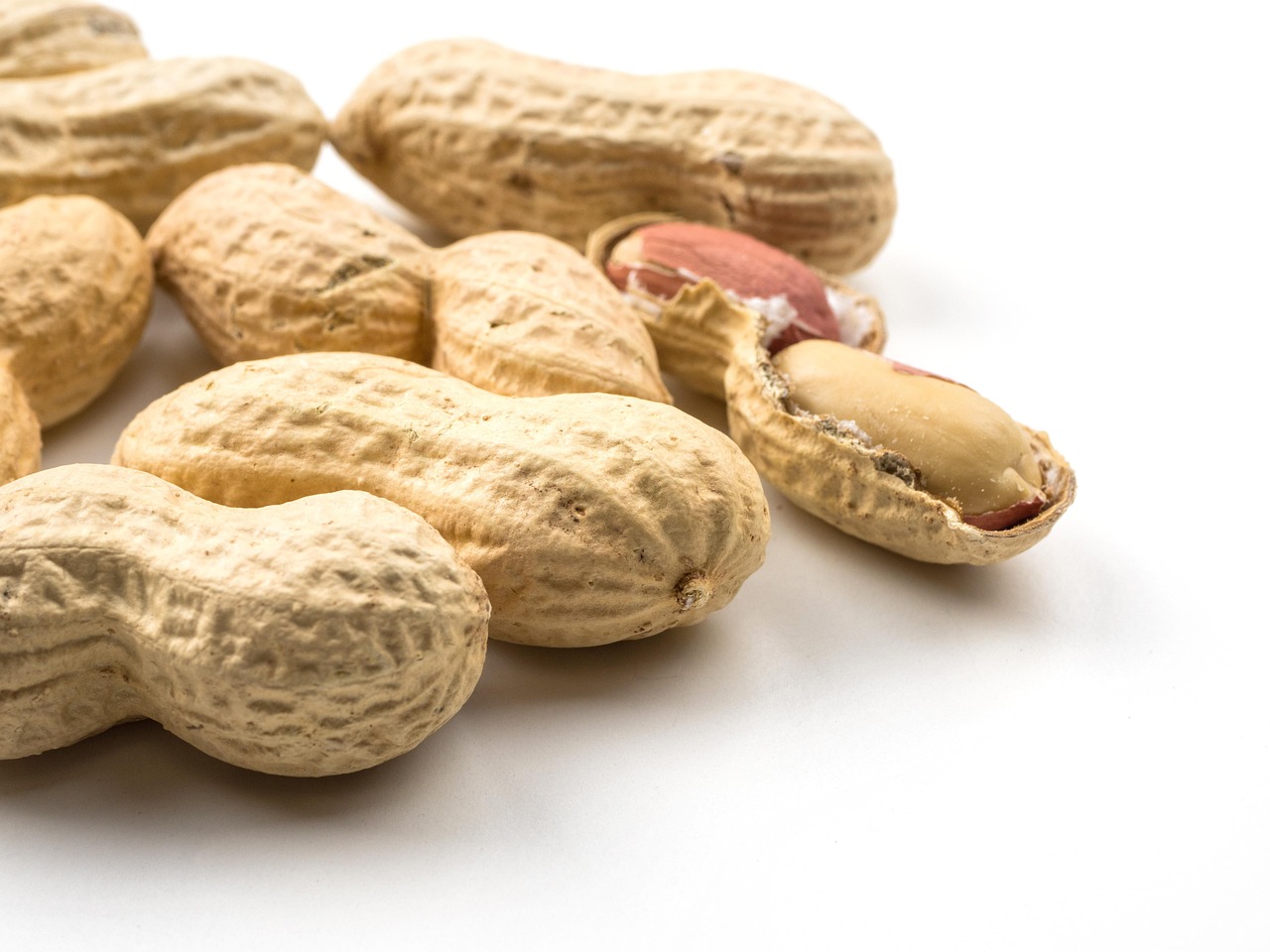

March is National Peanut Month, so I thought I would share a my reinvention of spicy roasted peanuts that I first tasted in a small town in Sinaloa, Mexico.
By the way – if you want to grow your own peanuts, they are easy to grow, You need to start them in Spring. I shared how to grow them in this weeks article on Gardening With Soule – Peanuts are Easy to Grow.
Once you grow peanuts, there are many tasty ways to use them! So why not post this recipe at harvest time, about 100 days from now? Two reasons.
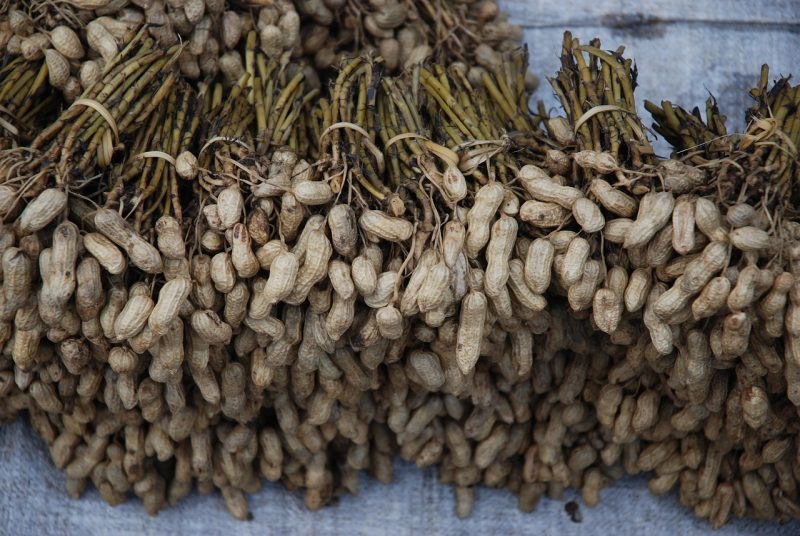
First – long story. Peanut “seed” is hard to find at the nursery or in seed catalogs. I go the easy route and head over to my nearby Asian market and buy some of the freshest raw peanuts I can find. They have to be taken out of the shell for planting, so I just hang out listening to a podcast or two and shelling peanuts. The plumpest go for planting, the rest for cooking.
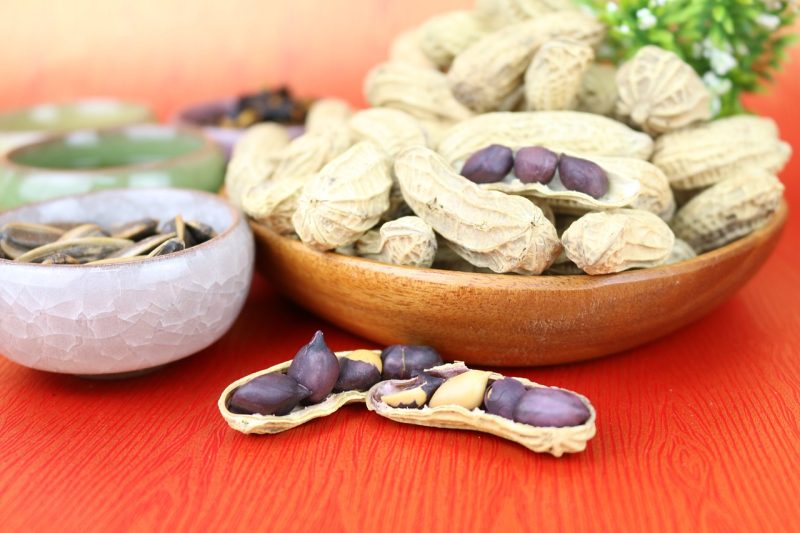
Second – March is National Peanut Month.
With these reasons all together – I decided to get your mouth watering with this incredibly easy Spicy Peanuts recipe.
To learn more about how cool peanuts are, here you go. Or – just skip down to the recipe. You won’t hurt my feelings if you skip my carefully crafted words about this very unique plant.
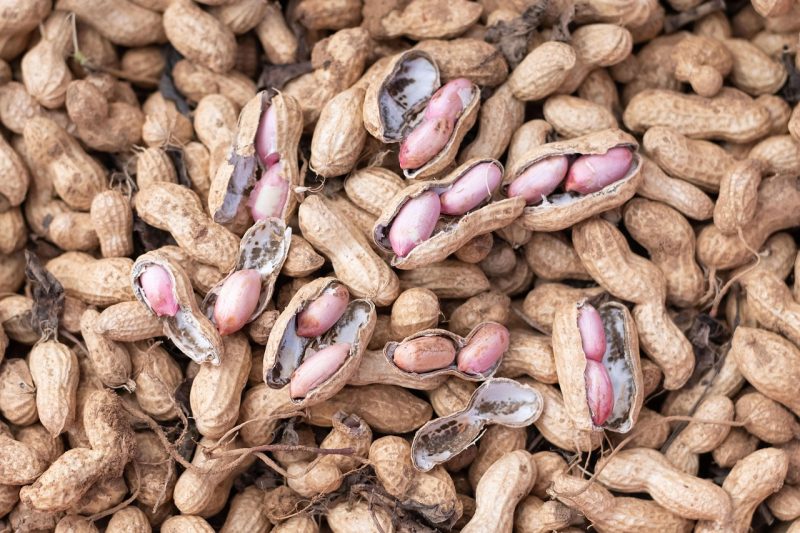
Peanuts are an Ancient Crop
Peanuts show signs of being cultivated roughly 7600 years ago in the Highlands of South America, in what is now Peru. Like so many of our domesticated crops, the current crop bears larger edible parts than the plants found in the wild. Another thing about domestication is that plants are a more uniform size and uniform flowering time. This makes it easier for farmers to harvest all at once.
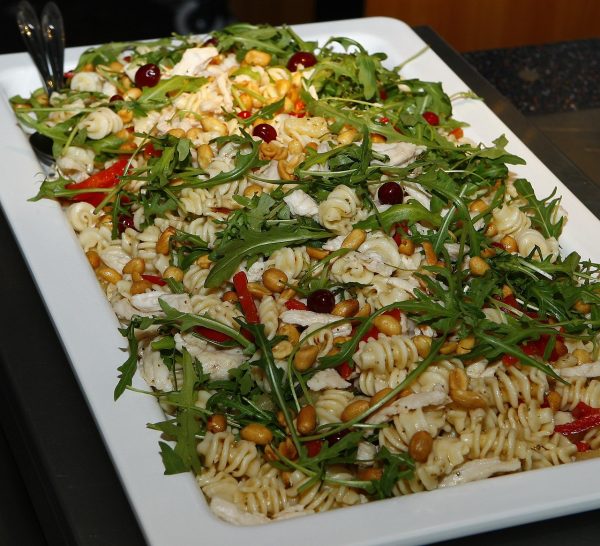
Peanuts Moved Around the World
Peanuts were part of the “Columbian exchange,” also known as the “Columbian Interchange.”
The term refers to the widespread transfer of plants, animals, humans, and also diseases between the “New World” (the Americas) in the Western Hemisphere, and the “Old World” in the Eastern Hemisphere. This exchange started with the voyages of Christopher Columbus. Yes, others also came from Europe to the Americas before that time – but he was the one that had the financing to make multiple voyages and the directive to carry plants and animals back to Europe.
The term saw widespread use starting in 1972 when history professor A. Crosby at University of Texas titled a book on environmental history book The Columbian Exchange. The term was rapidly adopted by other writers.
I have used the term before because Father Kino did his part to help spread plants and animals of this region.
Word Nerd Shares
 Peanut is not a nut! It is in the pea family, so technically it is a seed.
In Spanish, the name is cacahuate. This comes from the plant’s Nahuatl name, tlālcacahuatl. The Conquistadors found the “nuts” for sale in the marketplace of Tenochtitlan.
Peanuts were taken back to Spain, and later European traders spread the peanut worldwide. Interestingly, in West Africa these New World peanuts replaced a crop plant from the same family, the bambara groundnut (Vigna subterranea), whose seed pods also develop underground. In Asia, peanuts became an important agricultural crop and found their way into countless regional dishes.
Southwest Spicy Peanuts
These are super easy to make, and they make a great snack, an appetizer, or a savory snack for guests, or at your next poker party!
2 cups shelled peanuts
1 Tablespoon olive oil
2 Tablespoons spices (roughly) blended (see below)
1 teaspoon sugar (to wake the taste receptors)
1 teaspoon salt (to wake other taste receptors)
Spices to Blend
This is somewhat spicy! I like chili powder, cumin, curry, garlic, and a touch of cayenne together. Our dear friend Bill K. just said, “Some heat is nice, but if there is too much, you can’t taste the flavor.” Let you own taste buds be your guide. You can always add “heat,” but if you go too far it’s hard to “un-heat.” Of course you could blend any other spices you choose, to reflect any certain tradition you might be celebrating. Maybe one of the 10 Spice Blends in this post.
Here are the spices and amounts I use:
2 teaspoons chili powder
2 teaspoons ground cumin
1 teaspoon curry powder
1 teaspoon garlic powder
1/4 teaspoon cayenne powder
Step 1. Preheat oven to 300F.
Step 2. Place oil in a cast iron skillet or on a cookie sheet and heat the spices in the oil. This helps release the spices flavorful oils so they coat the peanuts.
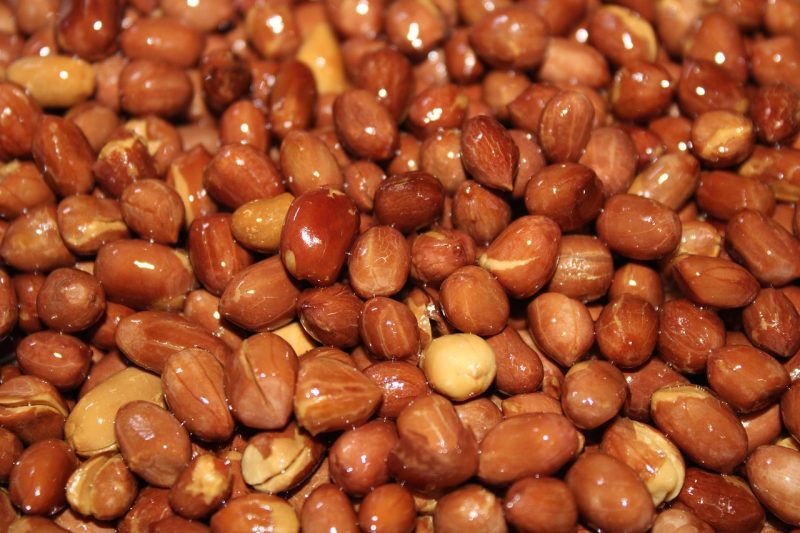
Step 3. Add peanuts and stir to coat the nuts.
Step 4. Bake for 15 minutes.
Step 5. Transfer to paper towels to soak off excess oil. Be patient! You can easily burn your mouth if you don’t let the nuts cool.
Step 6. Once cool, store in an airtight container. You can store at room temperature.
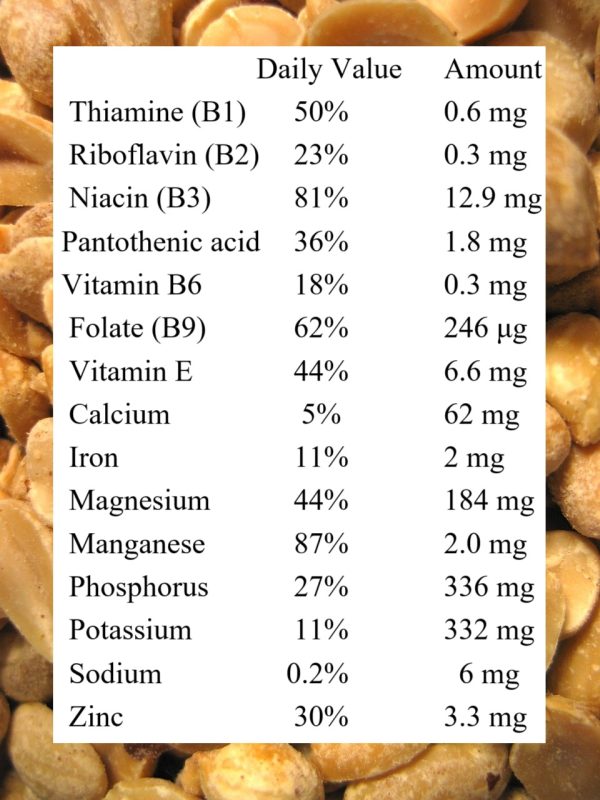
Peanut Nutrition
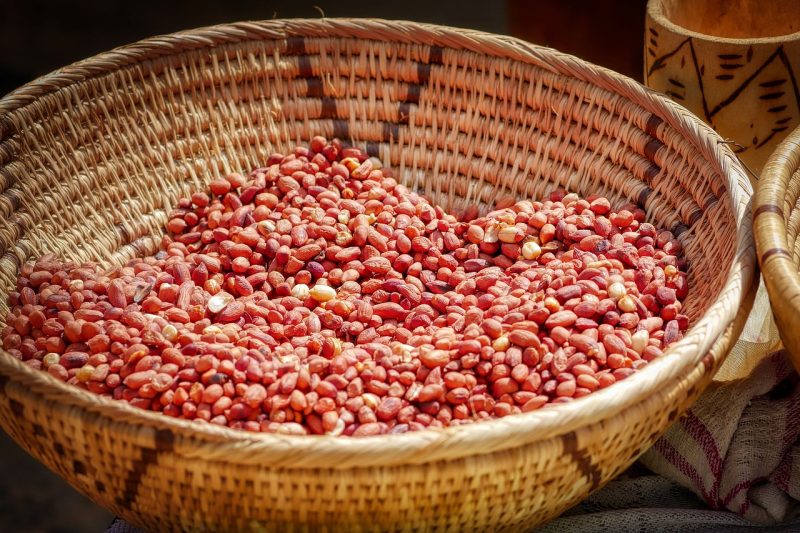
Raw Valencia Peanut Nutritional Value per 100 g (3.5 oz) according to the USDA
Calories 570

Protein 25 g

Carbohydrates 21 g

Fiber 9 g

Fat 48 g

Saturated 7 g

Monounsaturated 24 g

Polyunsaturated 16 g
More on Father Kino – and some more recipes too!
 The last few copies of this out-of-print award winning Southwestern book are now for sale. Father Kino’s Herbs: Growing and Using Them Today The review says:
“Award-winning garden writer Dr. Jacqueline A. Soule has pulled together a fascinating book on the life of Father Eusebio Francisco Kino and some of the plants that he brought to Southern Arizona and northwestern Sonora, and area called the Pimeria Alta.”
This link is to our sales site. The profits from the sale go to the local Horticulture Therapy non-profit Tierra del Sol Institute. We hope you will help support this great Southwest non-profit!
Legal Notes
© Article copyright Savor the Southwest // Jacqueline A. Soule. All rights reserved. You must ask permission to republish an entire blog post or article. Okay to use a short excerpt but you must give proper credit. You must include a link back to the original post on our site. No stealing photos.
Disclaimer
The authors of this website have researched the uses and edibility of the materials we discuss, however, humans vary in their ability to tolerate different foods, drinks, and herbs. Individuals consuming flowers, plants, animals or derivatives mentioned in this blog do so entirely at their own risk. The authors on this site cannot be held responsible for any adverse reaction. In case of doubt please consult your medical practitioner.
Just wondering is something like this would work for other nuts – like maybe the pecans I harvested back in November?
YES! Spicy pecans are delightful