

Jujube, also called Chinese date, is a fruit tree that grows well in the Southwest. For many years as a garden writer I have been touting the benefits of the jujube tree for an edible Southwest landscape (also called permaculture). Here are some ideas on how to use the jujubes you may now have.
Jujube Trees
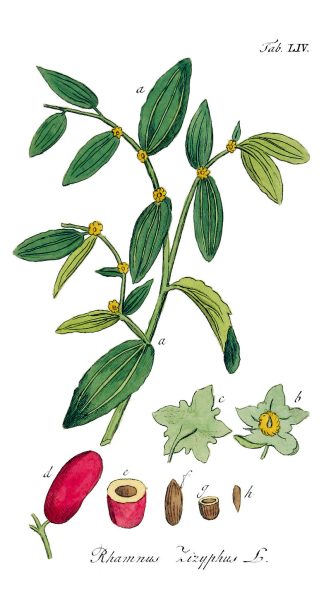
Jujube (Ziziphus jujube) trees are fast growing, low-water use, deciduous trees (drop leaves in winter. They provide shade in summer, autumn color, lovely leaf mulch, and without leaves in winter they let the sun into the garden. But wait there is more – they have fragrant flowers, and best of all, flavorful fruits.
More about growing jujube in this post on my gardening site.
Also in the revised edition of my Southwest Fruit & Vegetable Gardening book. The latest reprinting is printed in the USA! I am so delighted!
The Southwest Fruit & Vegetable Guide offers not just growing guides but some of the latest varieties – including ones specifically for raised bed and container growing. Price is currently more than what you would pay on Amazon – but when you buy from me you get a signed copy!
From the review:
“In this updated 2nd edition of Southwest Fruit & Vegetable Gardening, you’ll find much-needed advice and practical tips on growing an edible garden, no matter which part of the southwestern US you call home.
Profits from the sale of this book go to the Arizona-based Horticulture Therapy non-profit Tierra del Sol Institute.
How to Use Jujube
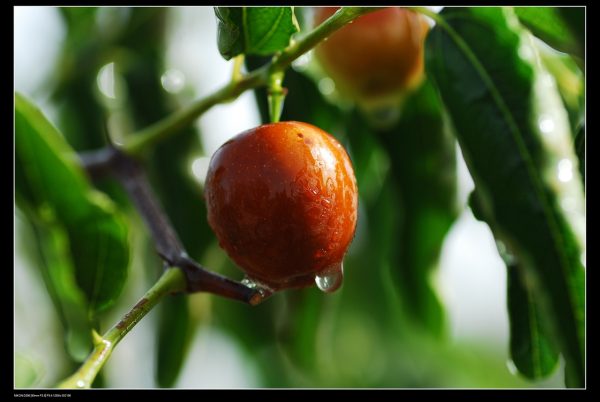
On my trees in Tucson, the fruits ripen in July. If you have trees as well, here are some ideas for how to use the fruits. Jujube are also called “Chinese dates,” for several reasons. They do indeed taste somewhat like dates and they can be eaten the same as dates – fresh, dried, and cooked in a variety of ways.
Harvest the Fruit
If your trees are tall like mine, you will have to spread sheets or tarps under the tree and then use a stick or broom to knock the fruit off the tree. You could use a rake but it will mar the fruit, which is okay if you will be making it into jam or fruit leather within a day or two. The easiest is to pick the sheet up carefully and empty it into a five gallon bucket, ready for the next step.
Rinse the dust and other possible debris off your fruit. Just add water to the harvest bucket, swirl, let the debris settle to the bottom, then scoop the floating fruits out.
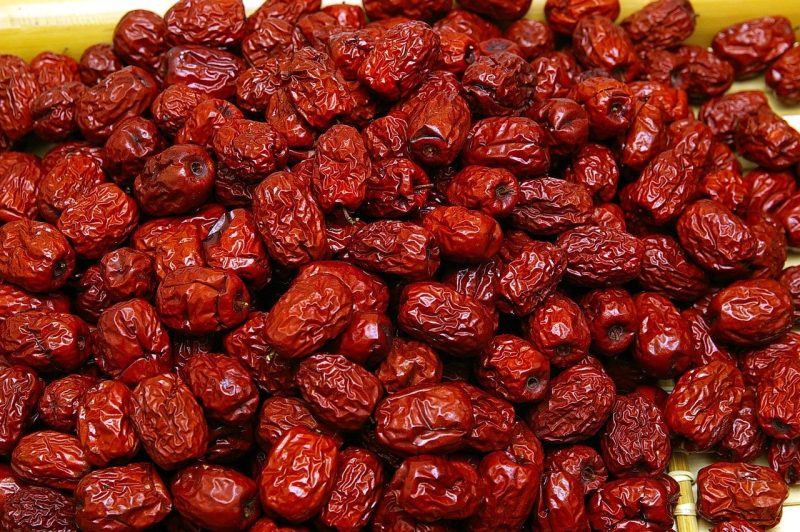
Dry the fruits on towels in the shade (or indoors). You can then store jujube in the vegetable drawer of the refrigerator for up to about six months. It’s so nice to have ample time to use the harvest! Use the fruit now or months from now.
Stuffed Jujube
Fresh or dried jujube are yummy cut open, the pit removed and a slice of walnut or pecan inserted. Dust them with powdered sugar to make them look fancier for company.
Jujube Paste
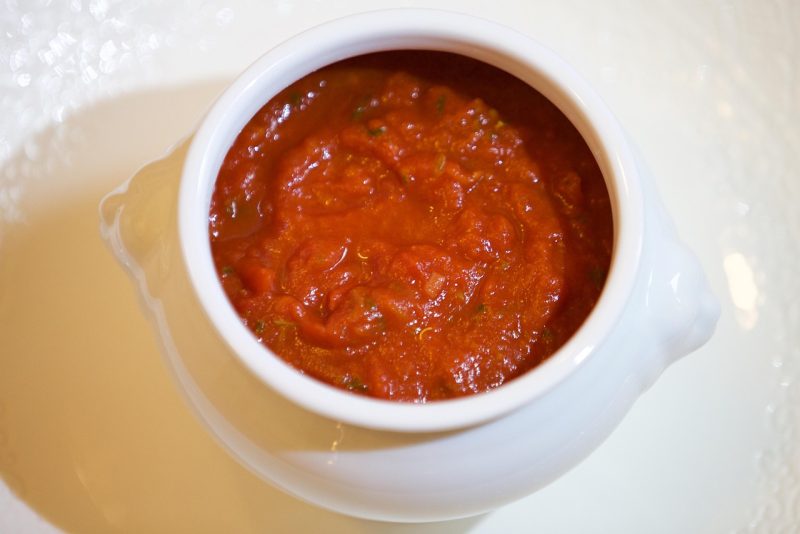
Jujube can be cooked with water to soften them, then put this pulp through a food mill to remove the pits. Don’t have a mill? Once the softened pulp cools, run your fingers through and pull the pits out.
I rather like doing it by hand. It is one way to entirely experience the food you are eating on all its levels. Or maybe it’s the kid in me, harking back to making mud pies.
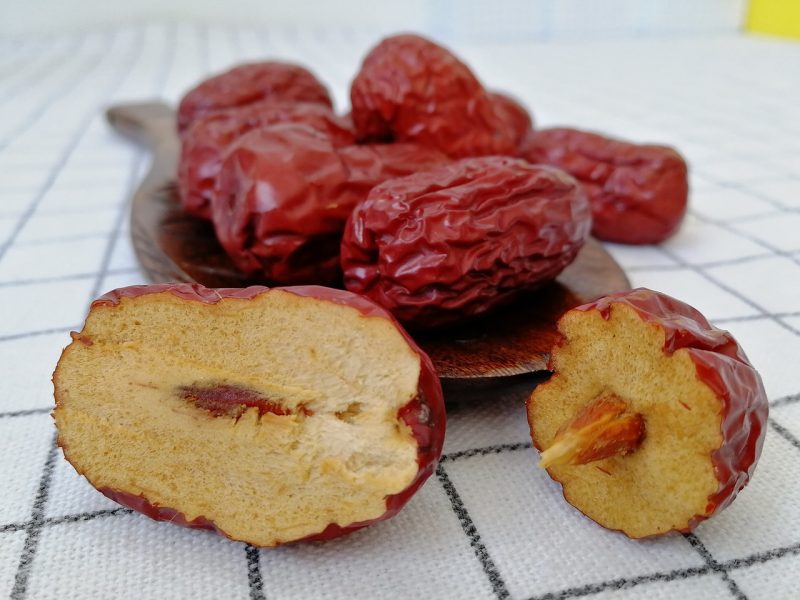
Once pits are removed (and put into the compost bucket) the jujube paste should be run through a blender so that the thin skin is entirely macerated.
This pulpy paste of jujube can be used like applesauce or dried into fruit leather. Depending on your taste buds, you can opt to add honey, sugar, or agave syrup as sweetener. I used molasses once but it overpowered the delicate jujube flavor. You can process this pulp according to applesauce canning directions to preserve for future use.
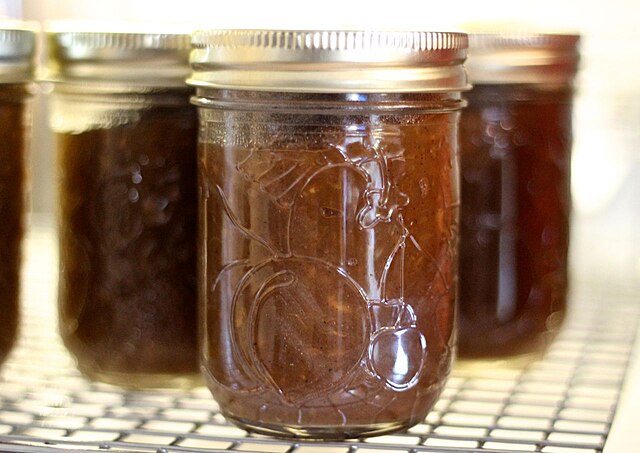
Instead of an applesauce-like concoction, you can go further and turn the pulp into and apple butter like “jujube butter.” Despite the butter in the name, apple butter and jujube butter are more like jam and taste great on toast. I can this like any jam.
Jujube Juice
Jujube juice made by boiling the fruits can be drunk as a juice or used to make jelly or wine! Extract jujube juice by boiling with water 1 to 1 ration. Mash the softened fruit with a potato masher, but don’t bother to remove the pits. Hang this boiled pulp in a jelly bag (or old pillowcase) to allow the juice to drip out. Use this juice to make jujube jelly or jujube wine.
Thick Juice
Want the healthful fibers found in the pulp? You can add extra water to the pulped jujube and drink that as juice, add to any smoothie, or ferment it into a pulque-like alcoholic drink. Stores in the fridge roughly one week. 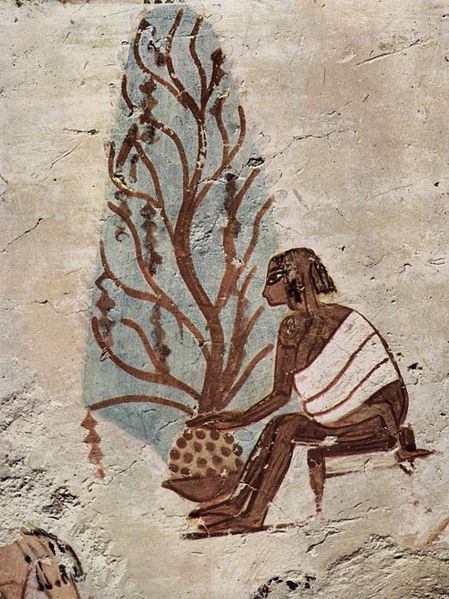
Dried Jujube
Jujube are best dried with the pit removed first. This helps them dry better, and also makes it easier to use them later. Like for the stuffed jujube mentioned above. Or you could substitute jujube for dates in our Dulcis Coccora recipe.
Dried jujubes, with pits removed, can be chopped for jujube bars. Just use any good date bar recipe. I advocate using real butter to make your jujube bars, it seems to highlight the jujube flavor well. Bars are nice because they can be made with gluten-free baking mixes. Which points out – I am going to have to concoct a mesquite flour jujube bar!
Thanks for reading,
The Savorists
Other, older, and less comprehensive versions of this article may be still out on the interweb. I wrote about garlic chives once for a now defunct newspaper. Also there is a version excerpted from my Father Kino’s Herbs book that I wrote for the Savor Sisters in 2016. Further history of Savor the Southwest and one reason why we call the writers on this site Savorists.
Legal Notes
© Article copyright Savor the Southwest // Jacqueline A. Soule. All rights reserved. You must ask permission to republish an entire blog post or article. Okay to use a short excerpt but you must give proper credit. You must include a link back to the original post on our site. No stealing photos.
Disclaimer
The authors of this website have researched the edibility of the materials we discuss, however, humans vary in their ability to tolerate different foods, drinks, and herbs. Individuals consuming flowers, plants, animals or derivatives mentioned in this blog do so entirely at their own risk. The authors on this site cannot be held responsible for any adverse reaction. In case of doubt please consult your medical practitioner.


Be the first to reply