
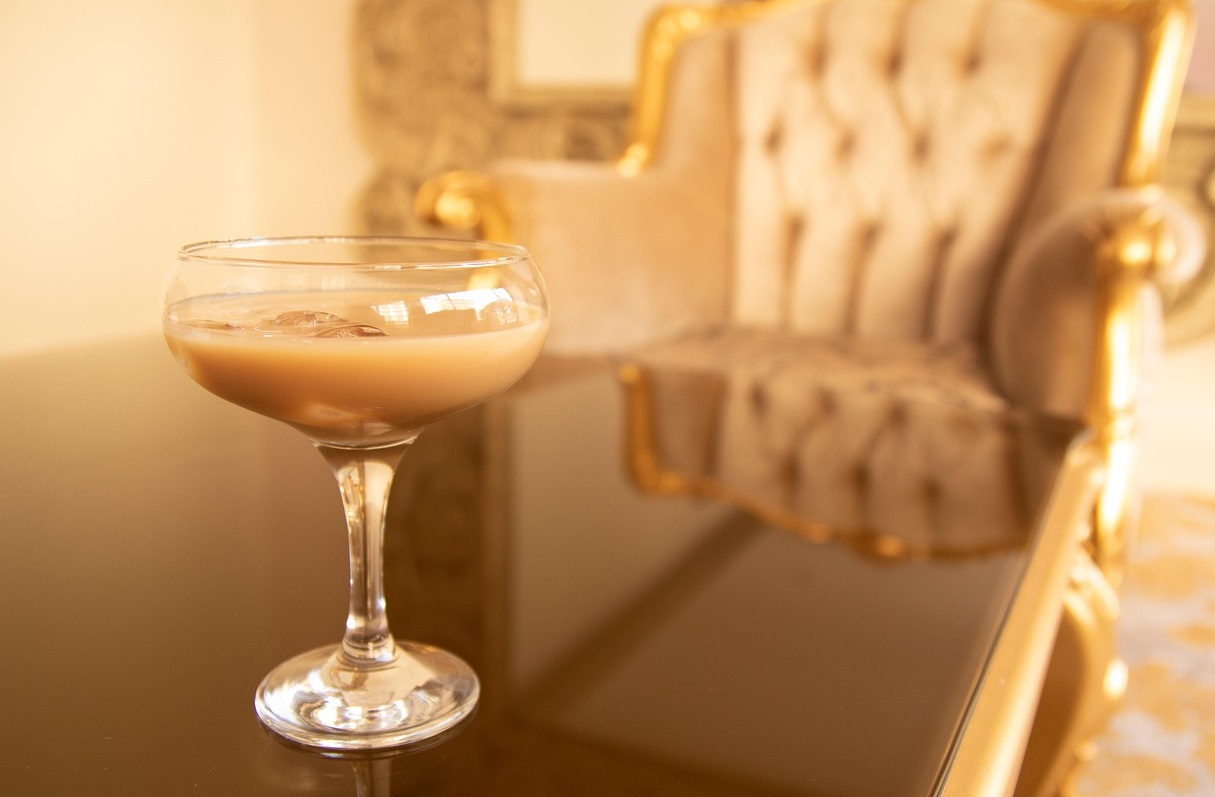
February 27 is National Kahlúa Day, so time to share how to make some of this tasty liqueur on your own. It’s easy, and given the cost of the store-bought kind, this homesteader likes to make my own that is far less expensive.
 Uses of Kahlúa
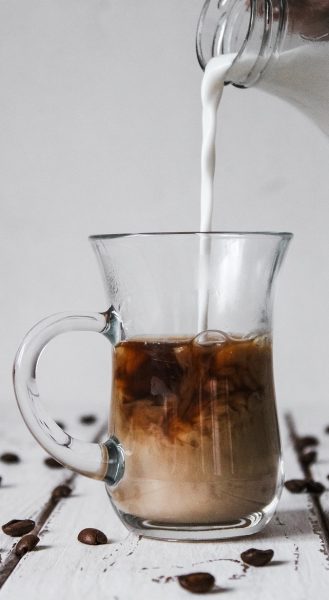
This tasty tipple is used to make cocktails or to drink neat or on ice. As a mixed drink, it is often combined with milk, cream, yet more coffee, or with hot cocoa.
Some people use Kahlúa when baking desserts, such as coffee flavored cakes or cheesecake. It also makes a wonderful topping for ice cream, cakes, and cheesecakes.
Four Ingredients to Homemade
I say “kaluha,” but I should say “coffee liqueur.” Because “Kahlúa” is a brand name. It’s like how we say “kleenex” when we should say “tissue.”
Kahlúa brand coffee liqueur was originally made in Mexico. To be entirely specific, it was first crafted in Veracruz, Mexico in 1936. There were these Four Amigos (four friends) who wanted a coffee flavored rum. Why rum? Because back in 1936 in the coastal state of Veracruz, rum was far more common that the tequila found around Mexico City. The thing is, with rum and coffee combined, you get the caffine with the alcohol, so you can more easily stay awake to enjoy your “buzz.” Kahlúa is supposed to mean “House of the Acolhua people” in the Veracruz Nahuatl language.
There are four ingredients for the four amigos.
Some Like it Less Sweet
The main reason I started making my own “kaluha” is that the store-bought was way to sweet for me. Then I realized the cost savings, and frugal me was hooked on homemade liqueurs of all types. Here’s our Lemon Cordial, or try the Wormwood Cordial. We also have some Rose Delights. Lined all up like this is seems like many, but we only post about one alcoholic beverage per year.
Because they are inexpensive to make, these cordials and liqueurs are great food gifts for when the holidays roll around, or maybe a housewarming. I make gift packs of three variously infused or flavored liqueurs for those friends that enjoy their tipple.
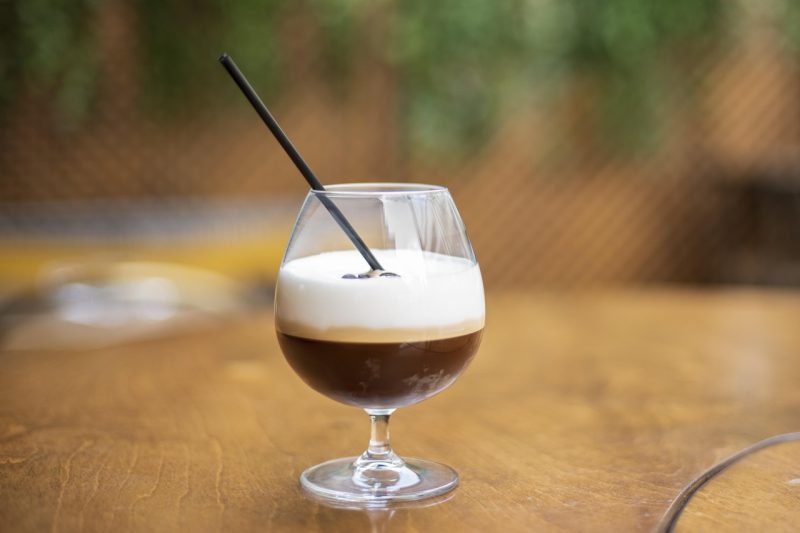
Make Homemade Kahlua
Use the Good Stuff
The key to crafting a tasty homemade Kahlua is starting with quality ingredients, and starting at least a month before you plan to use it. You can make it the same day, but it does get more mellow over time.
Ingredients
3 cups espresso
3 cups brown sugar
2 teaspoons pure vanilla extract
3 cups of rum, or 1 fifth of rum (25.4 ounces)
 Coffee
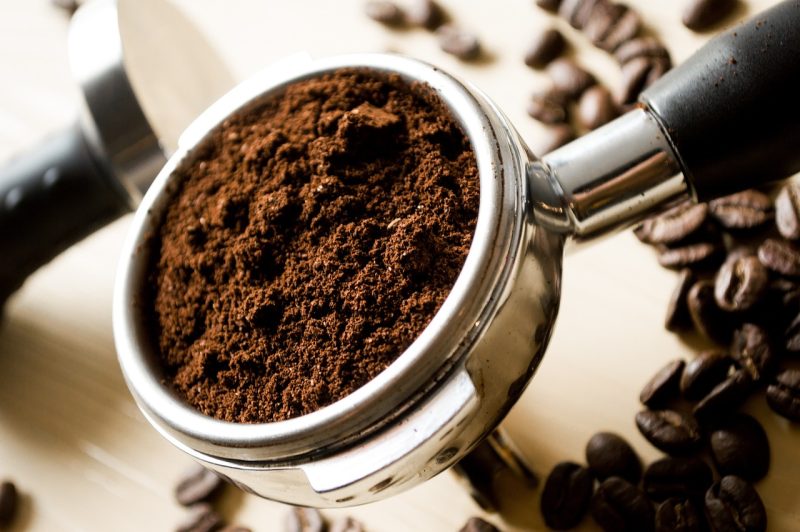
Some coffee liqueur recipes call for instant coffee. I like to start with real brewed coffee for the purest coffee flavor.
There’s a shortcut here. Instead of steeping your homemade kaluha for a month, you can turn your coffee into coffee syrup so the liqueur is ready to drink as soon as the syrup cools. Note that the flavors round out better if you can wait that month (four weeks!) for them to steep into each other. Longer is better. Seriously, I start making my holiday gifts now, as I have some extra cash or there are sales on rum or coffee to help reduce the cost of gifting even further.
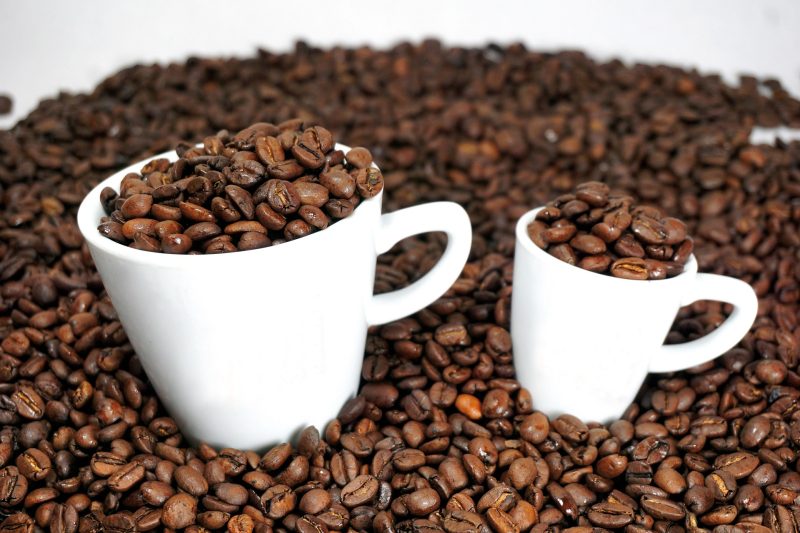
Start with an espresso roast. Espresso roast has a stronger roasted character and much richer flavor than standard breakfast roast or medium roast coffee.
Brew ideally in a French-press. Or an espresso maker if you have one. If you don’t have an espresso maker, you can make a rich espresso-like coffee in a regular coffee pot. Use a ratio of 1/2 cup of ground coffee for every 1 and 1/2 cups of water.
Sugar
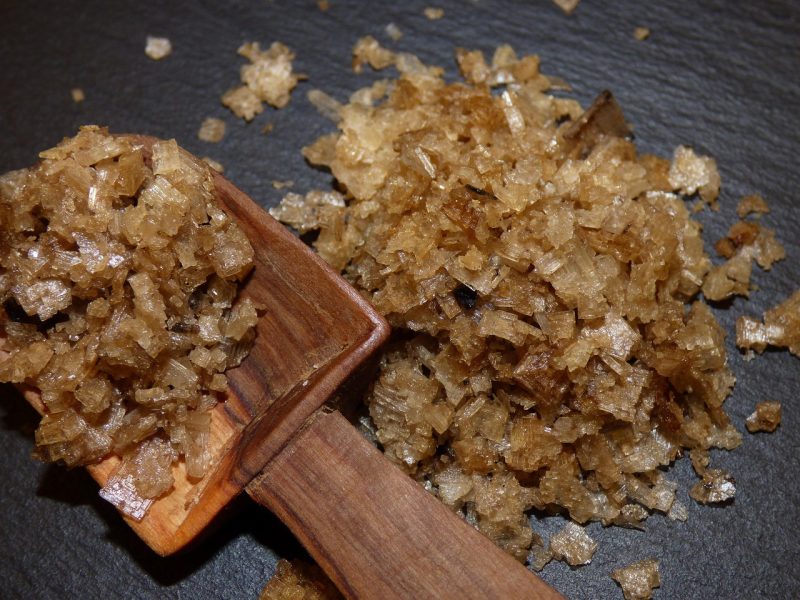
Granulated white sugar is usually used to create any syrup. We make Desert Lavender Syrup, and for that white sugar is ideal so as not to clash with the delicate lavender flavor. For Kaluha I prefer to use a dark brown sugar to add extra caramel and toffee notes to this liqueur. For my own use (not gifting), I use half of the listed sugar.
Honey instead of sugar? Well, we sure do a lot with honey. Haven’t tried it, but now I am thinking about it.
Shaved piloncillo? Oh dang – now I gotta try that!
Rum
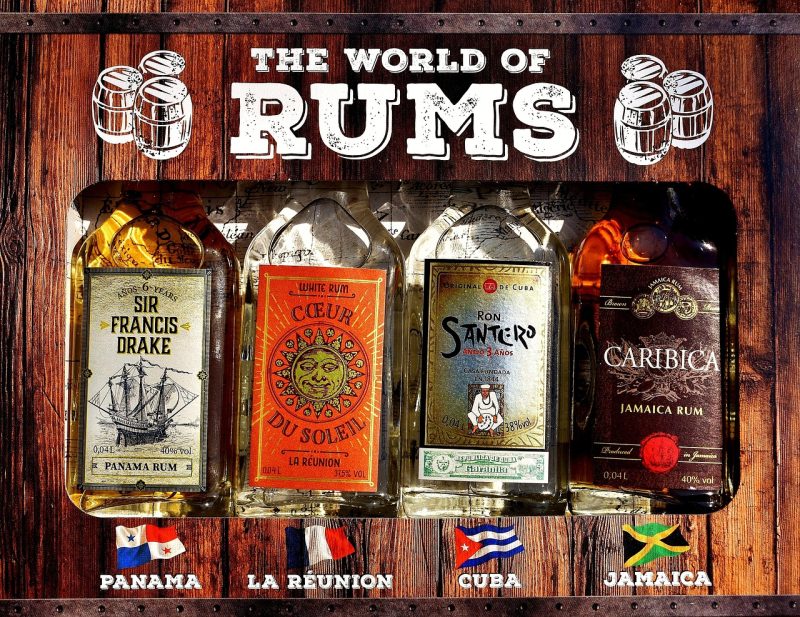
The original Kahlua is made with rum. I have made this recipe with dark rum, white rum, and with a Spiced Rum. Skip the last two and use dark rum for best flavor. Dark rum is warmer and richer, creating a coffee liqueur that tastes pretty close to the original recipe. Perhaps this is because it is most similar the original rum that was available back in 1936 in Veracruz.
Vanilla Extract
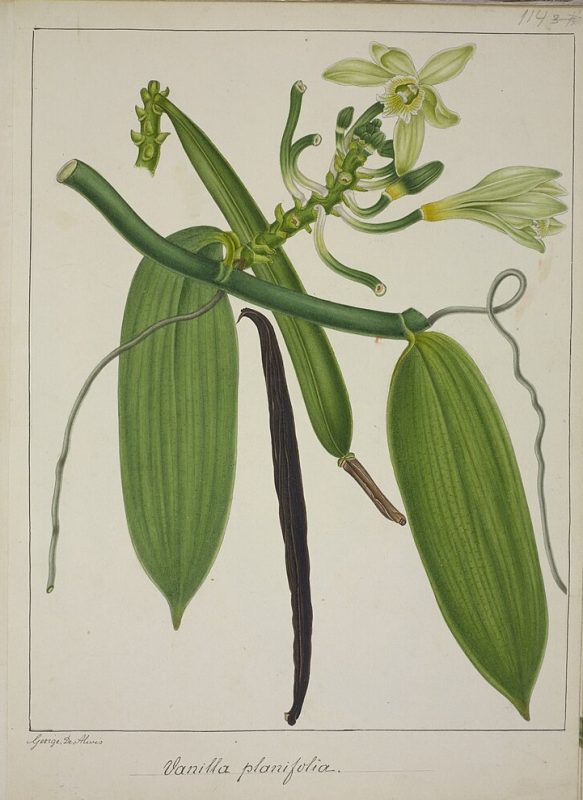
Vanilla helps round out the sweetness and adds a creamy element. Even if you don’t add any sugar, a touch of vanilla adds a nice background flavor note.
Read the label! Make sure there are no artificial ingredients or preservatives in the vanilla. Whatever you do do not not not use “vanilla flavoring.” If you use that artificial stuff it will ruin the liqueur and you might as well pour it down the drain.
Directions to Make Kaluha
Step 1. Make the espresso coffee.
Step 2. Create a Simple Syrup
In a large saucepan, bring the espresso and the sugar to a simmer. Avoid boiling as it can become bitter. All you want to do is simmer for at least five minutes. This thickens the coffee so that your drink will not be too watery.
Remove the coffee simple syrup from the heat and allow it to cool.
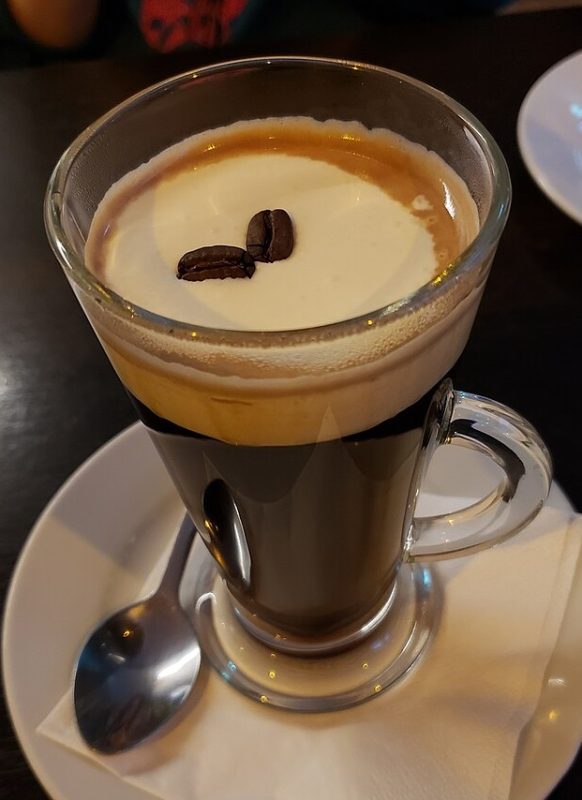 Step 3. Combine
Once cool you can add the vanilla and the rum. If not cooled, the warmth will evaporate the alcohol.
Step 4. Use or Store
The advantage is that you can serve this now or store for later. This stores best in glass bottles. Due to the acids in the coffee, I would be sure to store it in glass and not plastic bottles.
Ideally store your Kaluha – and all alcoholic cordials and infusions in a cool, dark place. Yes. TV has those brightly lit personal bars in ritzy mansions, but the delicate flavors can be destroyed by the intense energy of light photons. May not feel like much to us, but many plant molecules are more delicate. Avoid light for tinctures too. And all your herbs and spices.
Some Brands of Coffee Liqueur

Allen's Coffee Brandy – America
Amaro 1716 Café du Soir - Italy
Black Canyon Decaf Coffee Liqueur – America
Café Rica – Costa Rica
Caffè Borghetti – Italy
Cazcabel – Mexico
Flor de Caña Spresso – Nicaragua
Kahlúa – Mexico
Kamok – France
Kamora – Mexico
Kapali - Mexico
Kavalan Liqueur - Greece
Licor de Café – Cape Verde Islands
Sabroso – Mexico
San Andres Coffee Liqueur – San Andres Island, Colombia
Sheridan's – Ireland
Sombai Coffee Liqueur (anise, coffee, and rice alcohol) - Cambodia
St. George Coffee Liqueur – island of St. George
Tia Maria – Jamaica
Toussaint Coffee Liqueur – Haiti
No Way Father Kino had Kaluha, but you can have a book about him
 The last few copies of this out-of-print award winning Southwestern book are now for sale. Father Kino’s Herbs: Growing and Using Them Today The review says:
“Award-winning garden writer Dr. Jacqueline A. Soule has pulled together a fascinating book on the life of Father Eusebio Francisco Kino and some of the plants that he brought to Southern Arizona and northwestern Sonora, and area called the Pimeria Alta.”
This link is to our book sales site. The profits from the sale go to the local Horticulture Therapy non-profit Tierra del Sol Institute. We hope you will help support this great Southwest non-profit!
Our Promise: 100 Percent Organic Content
You will NEVER get AI generated anything from us. Not even story ideas. All ideas and all words are from our own brains and our own fingers. We DO fact check. In fact, we now fact check at least three times – because “truth is the intersection of three lies.” We have found profound inaccuracies in AI, including information that can be harmful if you follow the AI advice. And since we block AI from reading our pages, they are not learning from our writing.
100 percent organic content in our social media as well. Our Tiktok and YouTube videos are entirely generated by human beings. On our static media (Facebook, Substack) we may occasionally have a slip up and have an AI image – but never on purpose.
Legal
© Article copyright Savor the Southwest // Jacqueline A. Soule. All rights reserved. You must ask permission to republish an entire blog post or article. Okay to use a short excerpt but you must give proper credit. You must include a link back to the original post on our site. No stealing photos.
Disclaimer
The authors of this website have researched the edibility of the materials we discuss, however, humans vary in their ability to tolerate different foods, drinks, and herbs. Individuals consuming flowers, plants, animals, or derivatives mentioned in this blog do so entirely at their own risk. The authors on this site cannot be held responsible for any adverse reaction. In case of doubt please consult your medical practitioner.
Be the first to reply