
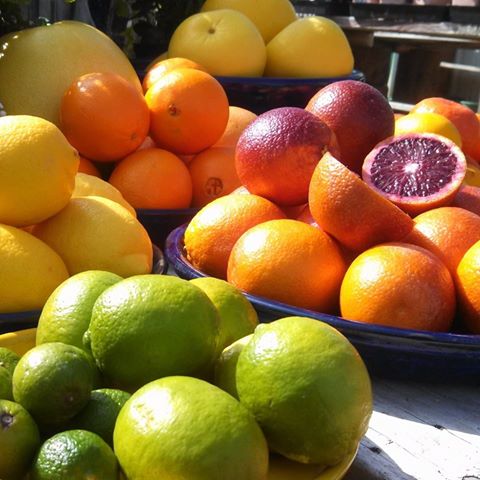
Citrus marinade helps tenderize a tough cut of meat while it adds flavor. Making the marinade is one delightful way to use ample citrus. This does make good gifts to people that cook or grill.
Citrus Ripening Now
Citrus is ripening as the plants are also filling the air with the heavenly fragrance of their blossoms. Not that many citrus fruits are actually NOT ripe yet. Over on my gardening site, Gardening with Soule, I remind people that citrus are only ripe when they come off into your hand with a gentle tug. Gentle! If you have to yank, or worse, or cut – then they are not ripe. The Mama Citrus Tree is not done filling her babies up with nice sweet juices.
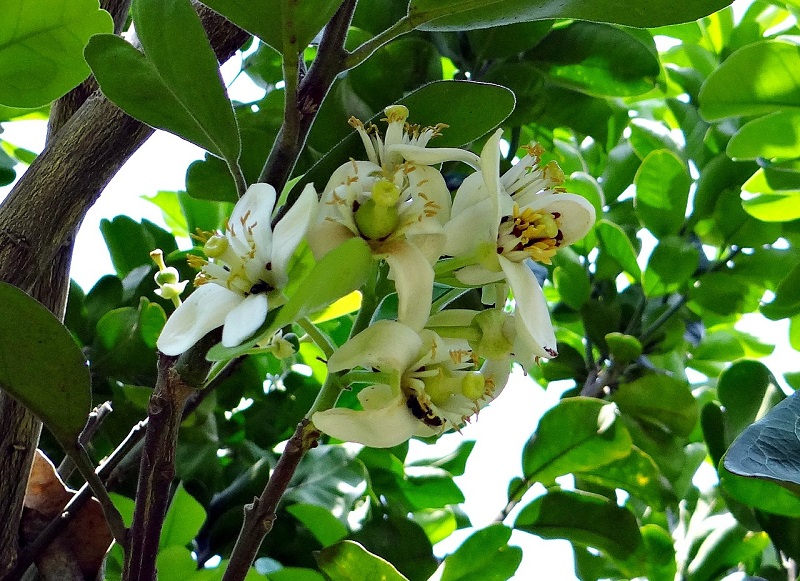 A tree-ripened citrus fruit has an entirely different flavor than the store-bought ones that are cut green, gassed with ethylene to appear ripe, and shipped to stores. For lemons this means they are sweeter and more lemony, not to mention less acidic. For limes this means they might actually be yellow! Not all limes though, Key limes do remain green when ripe.
When you harvest citrus at the point that they fall into your hand with the gentlest tug they will be fully flavorful and astonishingly juicy. The tart citrus – lemons, limes, calamondin, sour oranges, grapefruit – will still be tart, yes, but not harshly acidic.
Ample Citrus
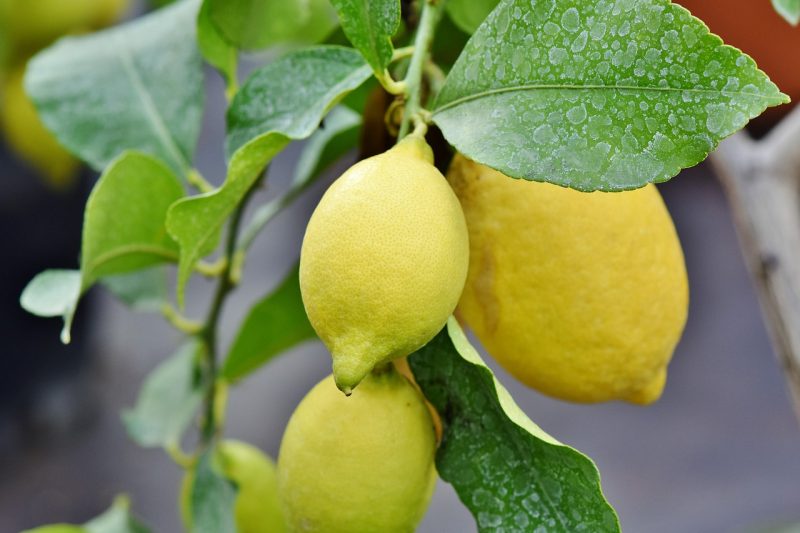
Since my lemon trees produced prodigiously this year, and then someone gifted me 20 pounds of limes as well, I am working to using all this bounty. Look for my marmalade recipes (soon) but this marinade is one of my favorite ways to enjoy these lemons for months.
In the past I wrote about making Lemon Cordial and other lemony alcoholic drinks, and there is all manner of ways to use the juice of a lemon or two, like this Lemon Chicken, and then there is this next post on our Greek Salad Dressing. Just put the word lemon in our search bar!
Citrus Marinade in General
 Salted lemon is a condiment common in South Asian and North African cuisine, including Moroccan tagines (the name for the type of pot and also the stew-like dishes prepared there-in) and Cambodian ngam nguv, a chicken soup. The lemons are diced, quartered, halved, or whole, then essentially pickled in a brine of salt, lemon juice, and occasionally added water. Generally herbs and spices are included, making this another type of Flavor Blend.
Note that I keep saying lemons, because that’s the common fruit, but limes are used where they grow, like in Veracruz, Mexico. I know this from personal experience – this lime marinade on fish is fantastic.
If you like videos instead of words – I made a quick TikTok on the marinade.
Citrus Marinade Components
Citrus
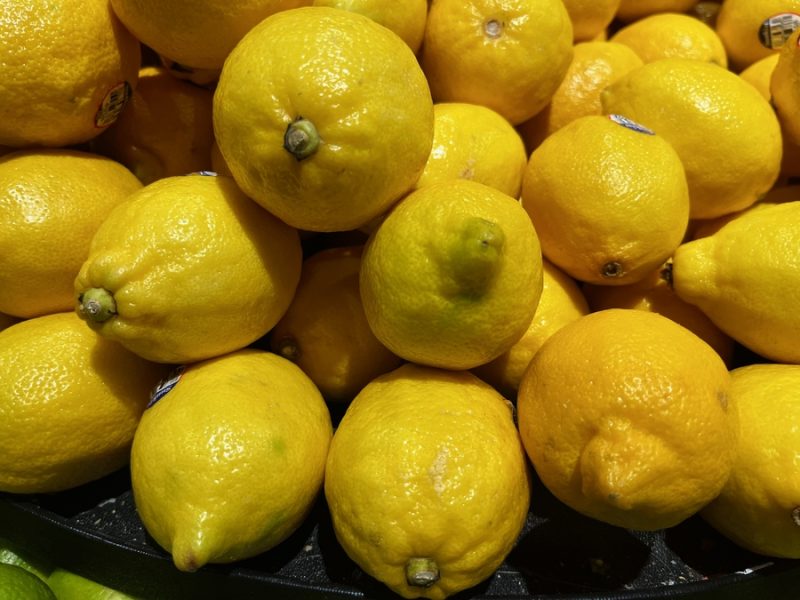
You can do this with only one single fruit, or with many. I have done it with just one fruit at a time. Either sour oranges, lemons, or limes. Probably not kumquats, they are much rind and little juice.
Salt
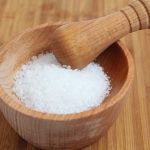 Use a coarse salt if you can, like sea salt or kosher salt. Try to find something without caking agents. You could even use plain canning salt. Don’t use iodized salt because it gives the mix a metallic taste. I did the experiment at home so you don’t have to.
Jar
Pint canning jars work – but the lids might get rusty. A glazed crock with a cork lid harkens back to “olde tymes.”
Spices
In fact, the spices are optional. You could just use citrus and salt. But use spices you like if it’s for yourself. For a seafood marinade include maybe dill and tarragon. For a beef marinade use maybe garlic and thyme. More ideas in our article on Flavor Blends.
Citrus Marinade
Step 1. Rinse any debris off lemons. I soak mine in a wash tub to which a glug of vinegar has been added. That’s an official measure you know – a glug. How big a glug you use varies with the size of your wash tub and the amount of water in there. Yes, you can use your homemade Apple Scrap Vinegar for this.
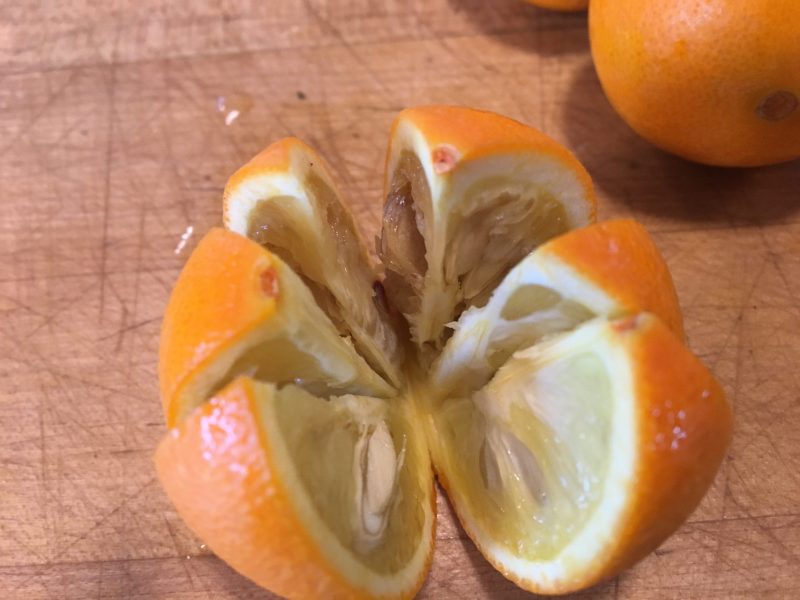 Step 2. Slice the citrus, making a criss-cross through the center, but not cutting all the way through. Just enough to open them up. If you can pull out the seeds.
Step 3. Put citrus in jar and add salt. Plan on at least a 1/ 4 cup of salt for a pint jar. You can use one citrus if you are focusing on the marinade. Use many citrus if you are focusing on using the bounty. Press the citrus down as you go, packing them in tight. Pressing helps release the juice that helps preserve them.
Step 4. Choose if you wish to add spices – or not. Any combination of _dried_ herbs and spices will do. I experimented with bay leaf, peppercorn, cinnamon bark, allspice berries, cardamom pods, winter savory, and sumac. Do not use fresh herbs because the salt is not strong enough to kill the botulism bacterial spores that are in the soil and float around in the air as well.
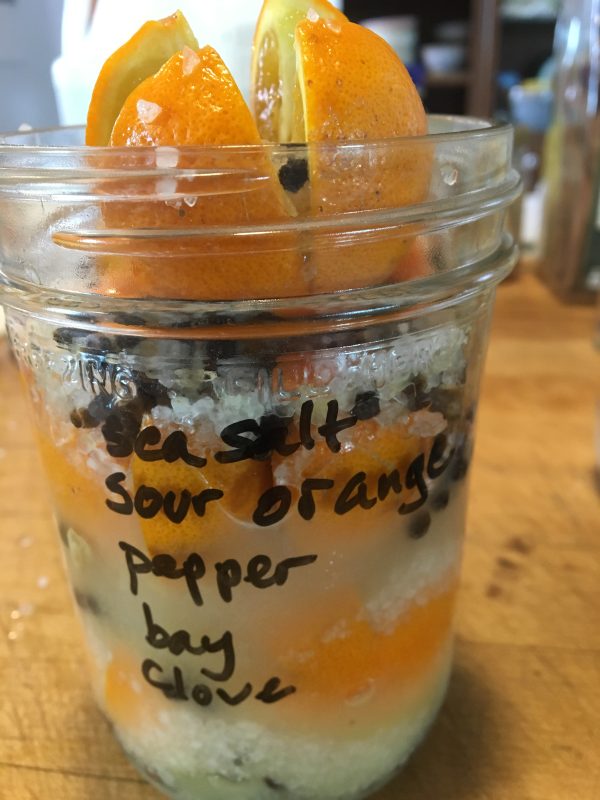
Step 5. Leave the jar on the kitchen counter. For the first week, shake the jar (or stir with a wooden tool) once per day. This will help dissolve salt and get any air bubbles to the surface. The jar should be at least 3/4 full of juice by day three. If juice does not cover most of the ingredients, add some citrus juice or filtered water.
Step 6. Wait. Citrus are best when allowed to pickle at room temperature for at least a month. Longer is fine. It depends if you are aiming for salted citrus peels or for a salty marinade. We have some jars that are over three years old, and the peels are now just mixed mixed in with the salty spicy marinade and it is so rich and flavorful!

Final Notes on Citrus Marinade
Label Your Creation!
Always label what you have! Include the date! Permanent markers write on glass and are easily erased later with some rubbing alcohol. I have a YouTube – Remove Permanent Marker. I also mentioned it on my TikTok channel, but (at this point) it’s hard to find those posts again and link to a specific one.
The Recipe
This is an expanded version of a post that may still be floating around the interweb. I used to be part of another team of writers. Savor History.
Cover Image
A variety of citrus with a blood orange cut open. Image courtesy of Rillito Nursery, Tucson AZ. If you have a chance to go to their annual Citrus Workshop – GO!

Legal
© Article copyright Savor the Southwest // Jacqueline A. Soule// Monica King. All rights reserved. You must ask permission to republish an entire blog post or article. Okay to use a short excerpt but you must give proper credit. You must include a link back to the original post on our site. No stealing photos.
Disclaimer
The authors of this website have researched the edibility of the materials we discuss, however, humans vary in their ability to tolerate different foods, drinks, and herbs. Individuals consuming flowers, plants, animals, or derivatives mentioned in this blog do so entirely at their own risk. The authors on this site cannot be held responsible for any adverse reaction. In case of doubt please consult your medical practitioner.

Be the first to reply