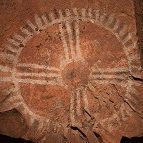

Creosote is a remarkable herb for your herb garden! Low-water, lovely, and highly useful, this unique desert shrub rewards any extra water you give it by adorning its branches with masses of vivid yellow, star-shaped flowers. After the pretty flowers, the seed pods develop. They are charming fuzzy gray seed pods that dry up, split apart and blow away. Best of all – every time it rains, this shrub fills the air with a heavenly scent like no other on earth.

Unique Desert Creosote
Creosote (Larrea tridentata), common name chaparral. Gobernadora, or hediondilla are the Spanish common names. The Seri call this lovely shrub haaxat. If you know the O’odham or Yeomi names – please post them in the comments!
Creosote is in a very unique plant family, Zygophyllaceae, the Caltrop Family. A family that lives mostly in hot dry places. The entire family has some unique chemicals and almost all members are used medicinally where ever the occur in the world.

 Botany Nerd Note – Caltrop Family
If you grew up here – and roamed the area in flip-flops or on your bicycle – you may have run into the infamous “puncture vine” also a member of this plant family. The caltrops are the seed pods. Caltrops have points facing in every direction and they go right thru flip-flops and even bicycle tires. They also help the seeds absorb water and grow.
Humans have copied this pernicious plant with caltrops for war – as far back as the times of Gilgamesh – over 6000 years ago.
Creosote as a Herb
While you may not think of creosote as an herb, technically it is used as one. The strongly scented leaves are covered with waxes and oils that are highly aromatic and have been used medicinally for years.
Creosote Leaves
Tea from the leaves has been used to treat arthritis, rheumatism, headache and asthma. Leaves were pounded into mash, hot water added, and the resulting paste used as a poultice to treat rheumatism, bruises, or sprains.
Leaves were also placed on coals in a sweat lodge to help soothe lung complaints and sweat out fevers. Roots and bark exude a resin that can be used like glue – or to waterproof things like baskets to carry water. Essential survival needs critical to survival in days before modern adhesives, and these resins are still useful today.

Leaves are said to repel mosquitoes. It was said to be one reason creosote was used to top ramadas and brush arbors.
Creosote leaves contain liposygenase and cyclooxygenase inhibitors, no different from those now used by physicians to treat asthma and arthritis. The problem is that these compounds can cause liver damage. One study determined that, taken internally, powdered leaves could cause liver damage. Tea made from crushed leaves appear to be less toxic. Because creosote compounds especially harm liver cells, extracts of creosote leaves are being investigated as a treatment for liver cancer.

Creosote Galls
Galls formed by the activity of the creosote gall midge have been dried, ground, and mixed with “store bought” tobacco to help make the tobacco last longer. These galls can also be used to create a beige dye. More about creosote galls on Gardening With Soule.
 Science Nerd Notes – Passive Voice has been Used.
Yep. Science does that. The internet gods hate that. They want you to use active voice.
In science if you are reporting about a report, even one that was printed in a scientific journal – it is just “hear-say” evidence. No guarantee of truth. Active voice leads the reader to believe what you are stating is a cold hard fact.
So now you know, and you might be a more informed consumer of internet. It might not be all fact.
Creosote Flower Buds
Young, tender flower buds are virtually free of chemicals that might cause health issues. They can be used to make tasty “desert capers.” Our YouTube video on Desert Capers – here.
Decorate Your Space
Cut fresh and allowed to dry, creosote branches with seed pods look wonderful and impart a fresh fragrance to any room. One of my students from back East calls these “desert pussywillows.”

Desert Potpourri! Place masses of dried creosote leaves in a bowl as a desert potpourri. Branches dry well on the dashboard of a car, freshening the air far better than any cardboard cutout impregnated with artificial scent. (helps get rid of that locker room smell if you have three teens in sports). Desert friends exiled away from the Southwest may welcome some leaves in the mail (I know I did!).
Harvesting and Use of Creosote
Harvest creosote for drying when the plant is in good health. On the day before harvest, I get out the hose and rinse the plant off really well – to wash off dust and other contaminants. Give it a day to dry in the sun and make more oils – then harvest.
Thanks for reading!
A Canning Guide
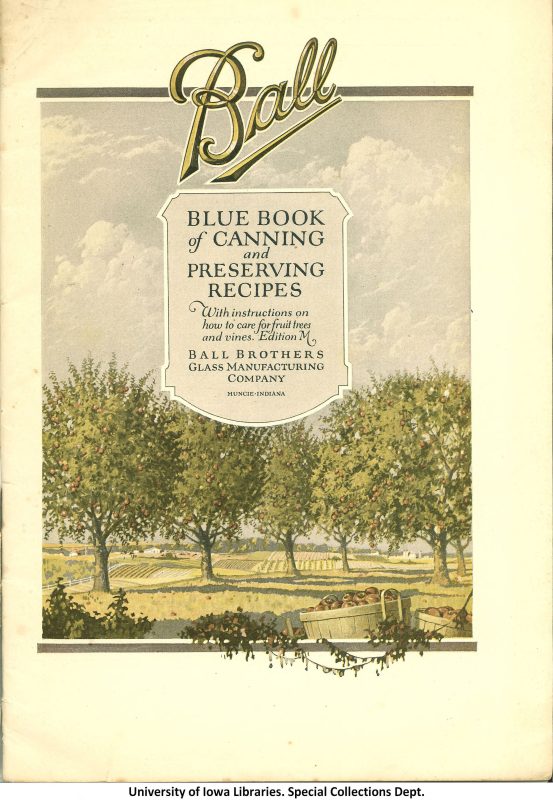 Ball Brothers has been publishing their “Ball Blue Book of Canning and Preserving Recipes” for many years. Note that some of the practices mentioned in this book considered invalid by the USDA in 2026. However, if you are an experienced canner there are some tasty recipes in here to make. I love the Poached Pears. The Carolina Cole Slaw is also quite good. Disclaimer: This information is provided for your for entertainment purposes only.
This is a downloadable PDF on my Gardening With Soule classes site. You may see some other classes in there that interest you.
Legal Notes
© Article copyright Savor the Southwest // Jacqueline A. Soule. All rights reserved. You must ask permission to republish an entire blog post or article. Okay to use a short excerpt but you must give proper credit. You must include a link back to the original post on our site. No stealing photos.
Disclaimer
The authors of this website have researched the edibility of the materials we discuss, however, humans vary in their ability to tolerate different foods, drinks, and herbs. Individuals consuming flowers, plants, animals, or derivatives mentioned in this blog do so entirely at their own risk. The authors on this site cannot be held responsible for any adverse reaction. In case of doubt please consult your medical practitioner.
Be the first to reply