
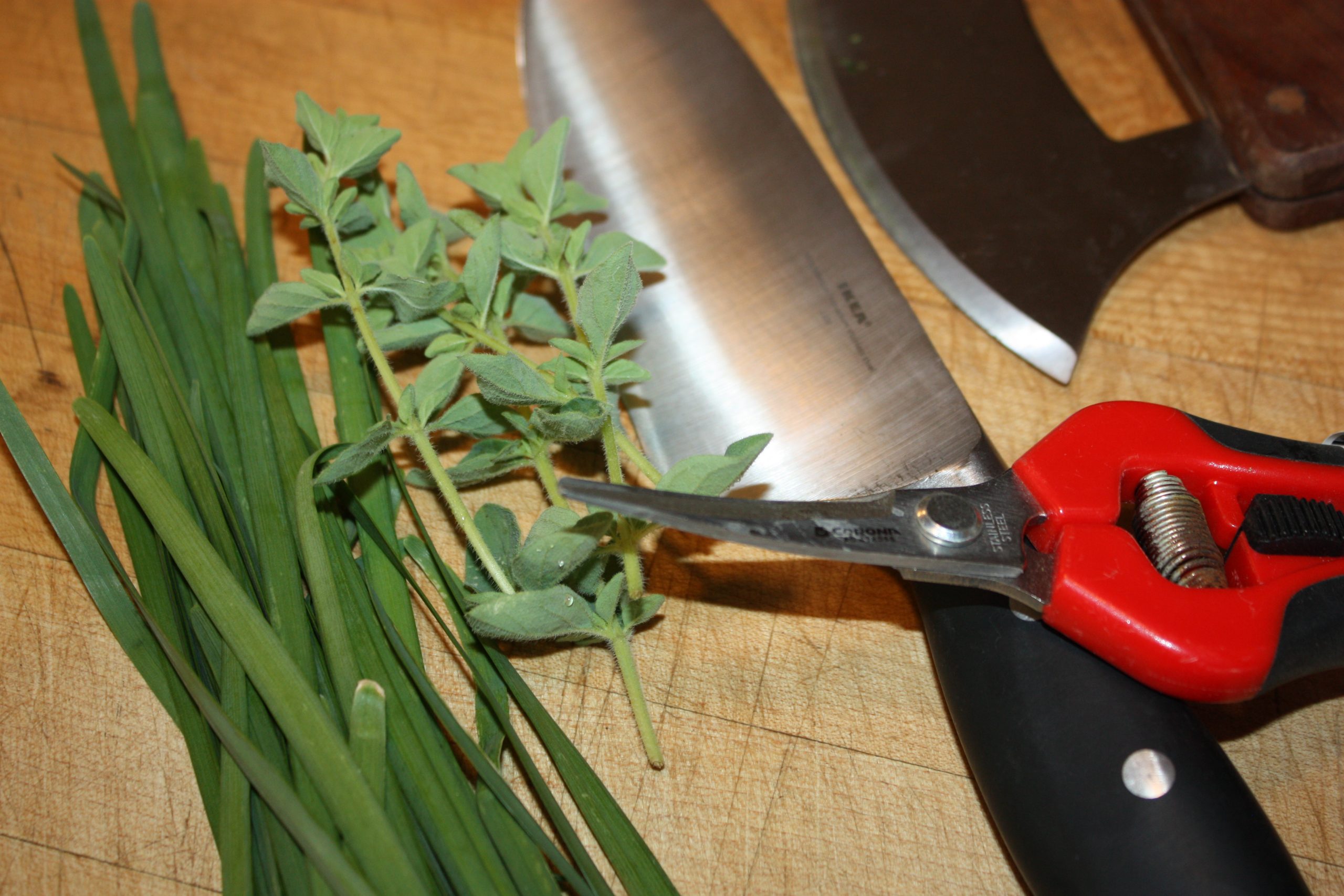
Flavor is important in our meals. We all need to eat so that our bodies can function. The difference between simply fueling our bodies and savoring a meal comes down to flavor.
Flavor for Savor
My New Years resolution was to try to eat something from my land every day of the year. To make this goal more obtainable, and a resolution that I can keep, I included foods and herbs that I have grown and dried. This means that lunch yesterday counts towards keeping my resolution.
Lunch was chicken salad made with home-canned chicken (Happy “Canuary!”), home-made mayonnaise (mayonnaise video on our YouTube), and some dried oregano from the garden crumbled in. Kinja, the Homestead Cat, got his share before the oregano was added because he is not a fan of that herb.

While I ate my lunch, and Kinja ate his, and then demanded some more, I pondered the fact that I really needed something more in this simple lunch. The flavor was bland. Oregano was fine, but there needed to be something else. My herb and spice cupboard used to be full of herbal blends, but they got used up over time – and not replaced.
Back in the Day
I remember when I had my first house of my own and setting up the kitchen was on a shoe-string budget. The flavors I had for my food was salt, pepper, oregano, and a blend called “Spike.” Within about 2 weeks I was ready for food that didn’t taste like Spike!
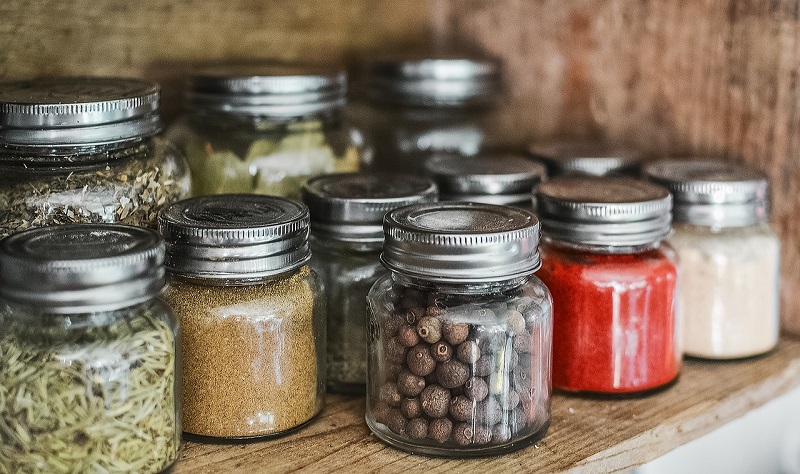
I toddled on down to the Food Conspiracy Coop in Tucson, paid my Lifetime Membership fee (not a small sum for a college student – and I am still grumpy that they do not honor that commitment) and got some of almost every cooking herb or spice they had.
Experiment – One Way to Learn
Armed with a wide variety of herbs and spices I started experimenting with flavors. Remember that this is back when we rode dinosaurs to school. There was no inteweb to look things up on. Our search engines were library card catalogs. Cook books were massive tomes with recipes in them, and there were no celebrity chefs on any of the four available television stations expounding on using acid flavors to offset sweetness on the palate.
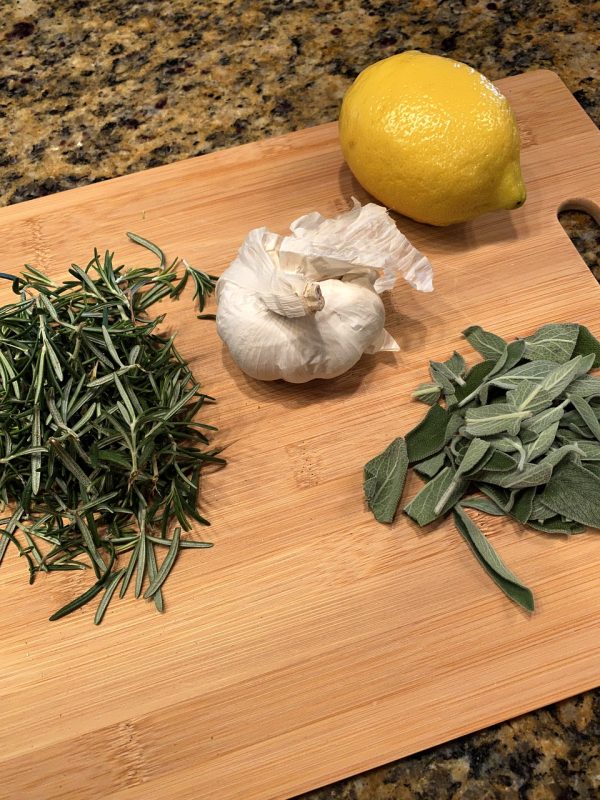
So I learned about blending herbs was to crush a few leaves, inhale the aroma, think about the flavors, and toss them in the pot or put them back on the shelf. In my experiments I found some mixtures that worked, some that were remarkably good, and a few that made the food virtually unpalatable. For example: tarragon and sage – yuck!
“Hunger is the Best Sauce”
I recall Grandpa telling us “Hunger is the best sauce.” An old adage but it’s true! I ate that tarragon and sage chicken and never made it again. He was telling us that in response to some burned fish that Grandma had made, and suggesting that perhaps we should go out and do some more chores around the place. We declined, and ate the dinner with no further complaints.
The tarragon/sage blend happened when I was doing ample chores! I was going to college, staying up late studying, and working landscape maintenance for a 14 acre complex (in exchange for rent). The wheelbarrow I wheeled my tools around in weighed about 30 pounds – before I loaded it with tools. This is back when wheelbarrows were made out of steel. Not to mention, I grew up in the “Eat it or go to bed hungry,” school and thus learned to eat food that wasn’t anything to my taste.
A Better Way to Learn
Thank You, Dr. “Risotto.” Sorry, his real name is lost to memory, but he helped me in those long ago student days how to do some critical thinking. He and I had a discussion about how chemists work on new formulations do so without blowing up the chemistry lab. He pointed out that they follow basic guidelines of previous workers and only change one tiny factor at a time. With that tarragon/sage chicken debacle fresh in my mind, I went to the library and checked out some cook books, figuring to use these as my “basic guidelines.”
Think About Food Styles
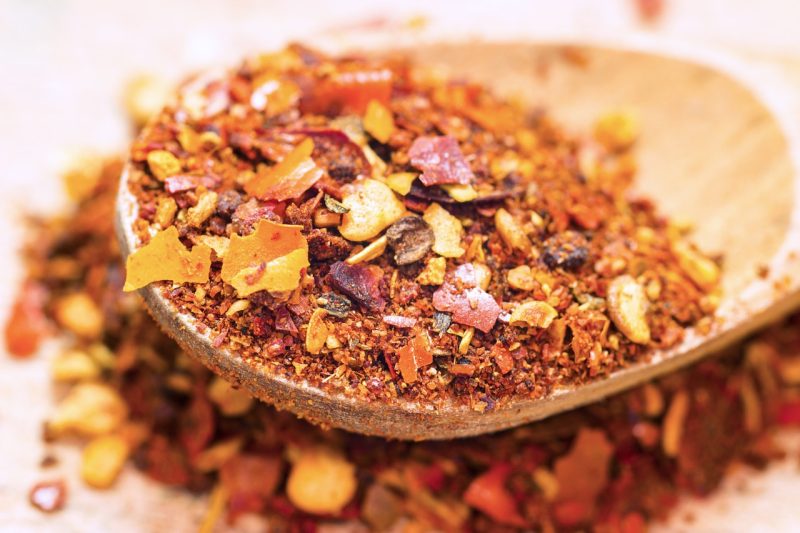
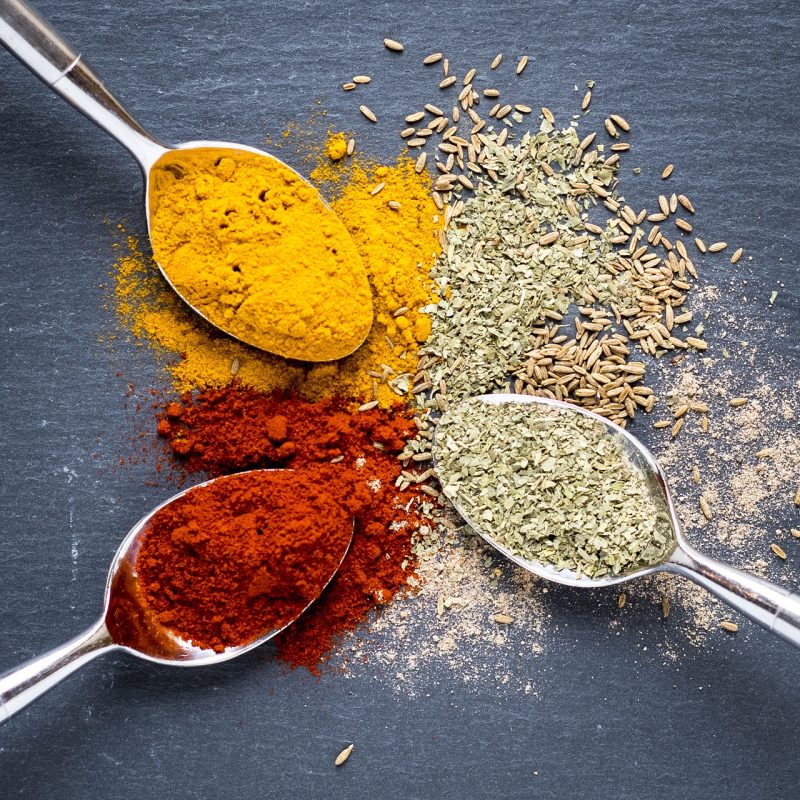
Once I had some cookbooks, I worked on creating cooking blends based on styles of cooking. I discovered that in general Italian cooking features basil and oregano. Sonoran food often includes mild chili and cumin. Tex-Mex uses the hottest chili and then some. Cajun and Creole cooking use thyme, pepper, and onion. Italian uses basil, oregano, and garlic.
Baking blends are tried and true too. Pumpkin and apple pies are spiced with cinnamon, nutmeg, and allspice. These recipes have years of trial and error behind them and I don’t have to try to blindly reinvent the wheel each time I cook. Once I had some basic guidelines, my food started tasting much better.
The Best Tool In The Kitchen
All this comes down to telling you about the best tool in the kitchen. (Hint: Think about it.)
The best tool in the kitchen is the brain of the cook!
Your brain is a tool you need to work on and hone to a keen edge. Chefs go to school and learn the tricks of the trade – but the best learning is always experience. (More kitchen tools.)
Experience alone will not help is you fail to remember the experience. In our busy lives few of us remember every single detail! I use a pen and paper to help. Write notes in your cookbooks. Take a moment to print out the interweb recipe and write some notes on those pages. If you are all techo, then make notes in your electronics if you wish. I am off-grid and out of wifi range for a portion of the year so I like pen and paper.
Don’t trust to fragile memory the fact that the recipe your made was too salty – I encourage you to make a permanent note of it. Perhaps this is not a habit of the phone/tablet/electronic note-taking culture, but is a good habit for a cook that wants food that tastes good every time you make it. Our kitchen drawer includes some handy tools to help the brain – namely pens and pencils. Also a permanent marker for labeling stuff – as seen on our canning jars, but more on canning another day.
In Closing
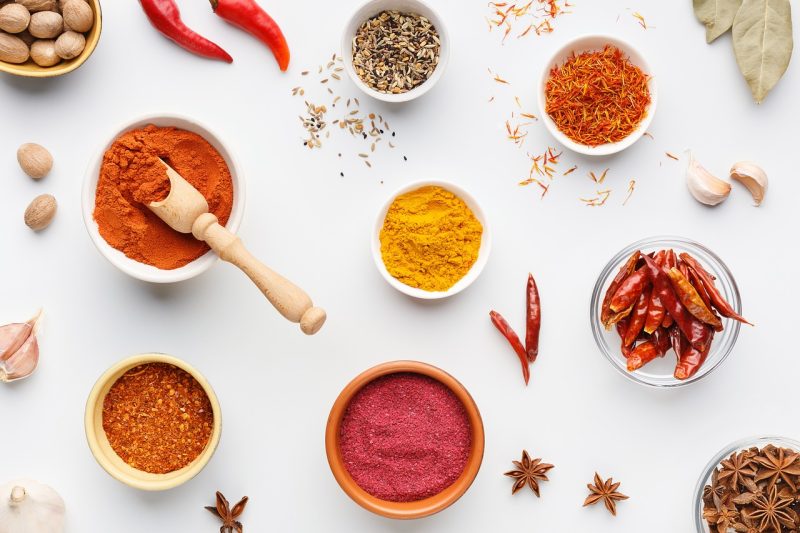
Our Top Ten Flavor Blends will be covered next week, after I dig out the saved recipes I have, and remake some of them.
Thanks for reading!
Enjoy!
Our Books
If you wish to order both of these wonderful books – be sure to hit the special orders image. There are also discounts for payment by check and volume purchases.
Budgeting issues? Be sure to sign up for our Substack newsletter for occasional discount coupons.
Father Kino’s Herbs
 Only a few copies of this out-of-print, and award winning Southwestern book are still available. Father Kino’s Herbs: Growing and Using Them Today
The review says:
“Award-winning garden writer Dr. Jacqueline A. Soule has pulled together a fascinating book on the life of Father Eusebio Francisco Kino and some of the plants that he brought to Southern Arizona and northwestern Sonora, and area called the Pimeria Alta.”
This link is to our sales site. The profits from the sale go to the local Horticulture Therapy non-profit Tierra del Sol Institute. We hope you will help support this great Southwest non-profit!
Honey Cookbook!
 May we suggest our dandy little cookbook? Christmas is coming 😉
Using Honey in New and Savory Ways offers 36 pages of tips for using honey in your cooking, as well as in all manner of dishes.
We hope you will help support some local Southwest folks!
From the review:
“Honey is for more than desserts – and this book can help! Using honey in cooking savory dishes helps engage all your taste buds and adds a layer of added flavor to everyday dishes – plus holiday fare.”
Beekeeper? We offer volume discounts – because if you sell honey in local markets you might want to offer some of these books as well.
Legal Note
© Article copyright Savor the Southwest // Jacqueline A. Soule. All rights reserved. You must ask permission to republish an entire blog post or article. Okay to use a short excerpt but you must give proper credit. You must include a link back to the original post on our site. No stealing photos.
Disclaimer
The authors of this website have researched the edibility of the materials we discuss, however, humans vary in their ability to tolerate different foods, drinks, and herbs. Individuals consuming flowers, plants, animals or derivatives mentioned in this blog do so entirely at their own risk. The authors on this site cannot be held responsible for any adverse reaction. In case of doubt please consult your medical practitioner.
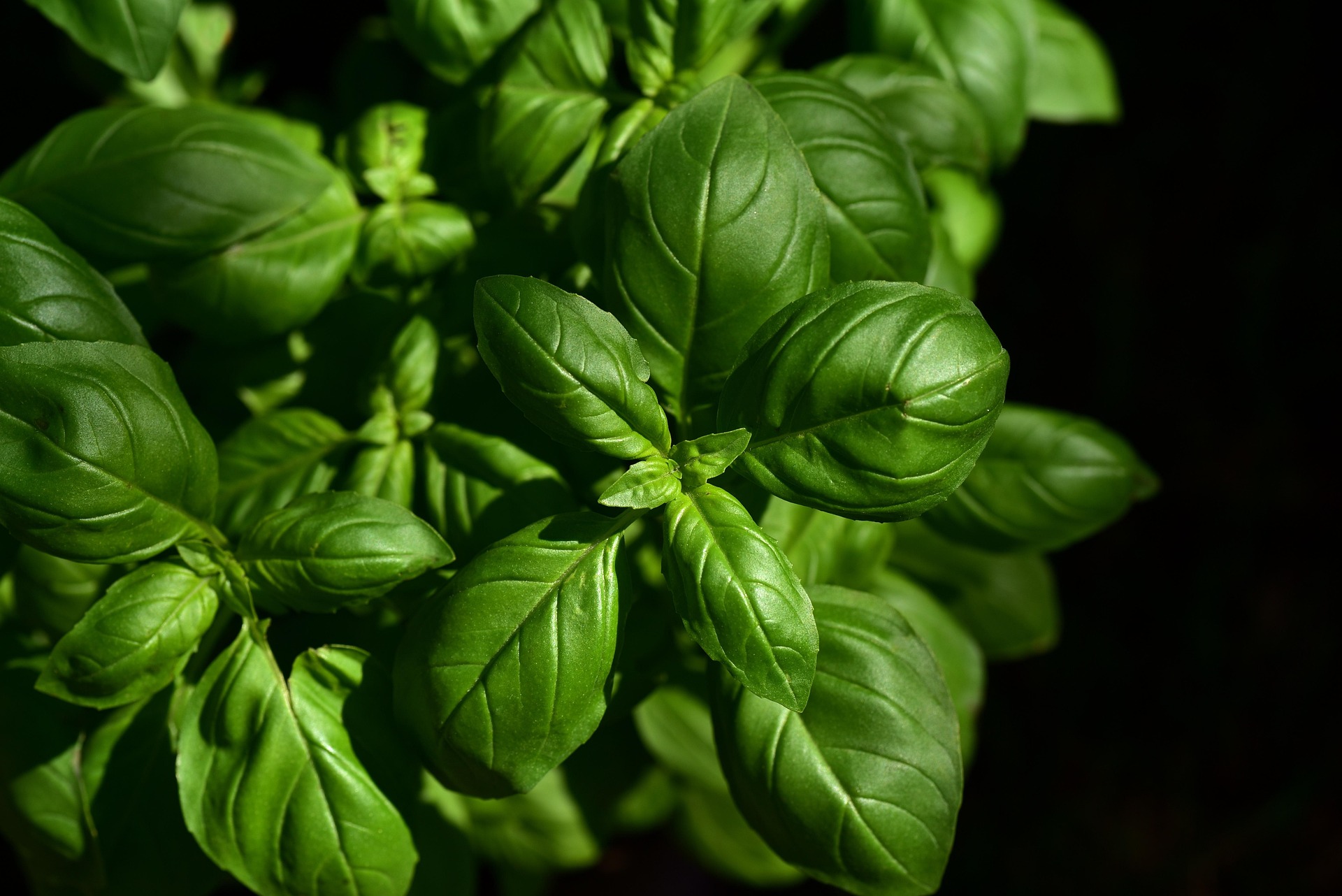


Sage is a herb I mostly stay away from. Seems that it’s only use is turkey dressing. Will you share more?
Sage is a distinctive flavor. it is often used with more “gamy” meat, like deer. It is also popular in sausage.
And yes, we shall have to do some more on sage.
Thanks again for your question. Posted a new article on sage!