
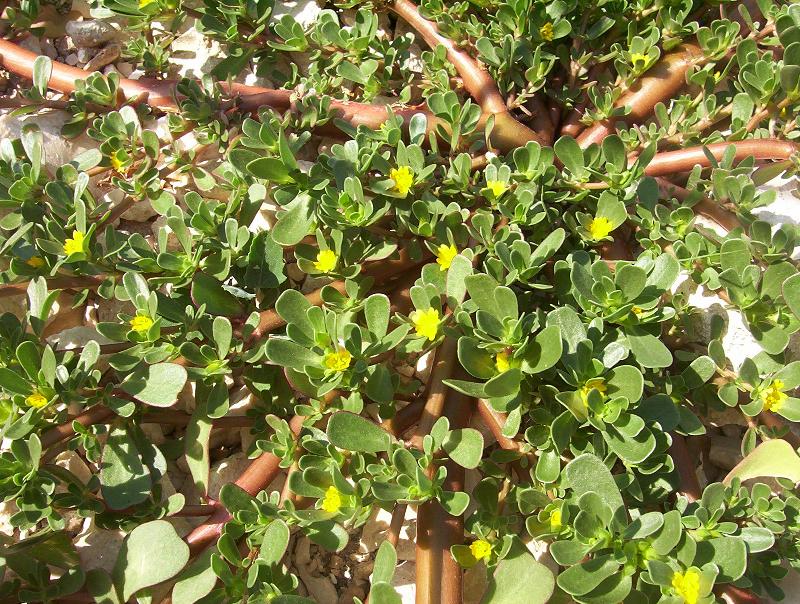
Verdolagas is the Spanish name for a heat loving plant grown around the world, Portulaca oleracea, also called purslane. It can be eaten raw, but is more commonly cooked.
Above cover image of purslane in flower, courtesy of L. Rignanese.
Meet the Purslane
Portulaca oleracea has many names around the world. It is also called verdolagas, akulikuli-kula, common purslane, duckweed, garden purslane, little hogweed (giant hogweed is not related and is poisonous), pursley, and pusley.
 Word Nerd Shares – The Scientific Name
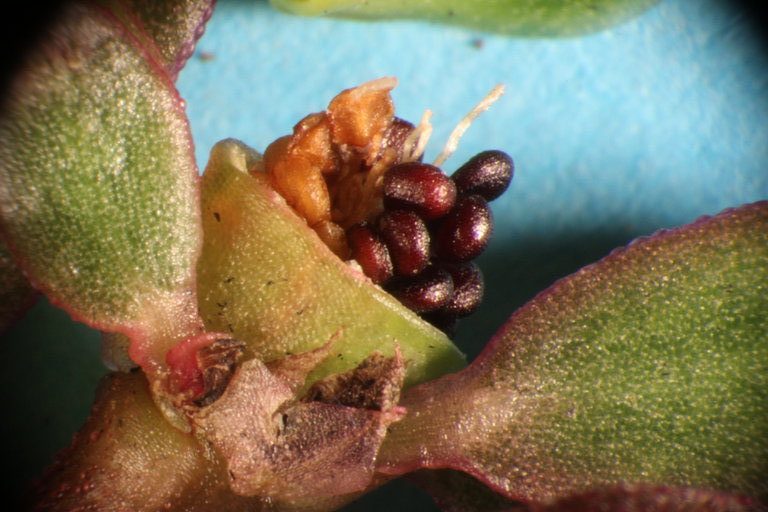
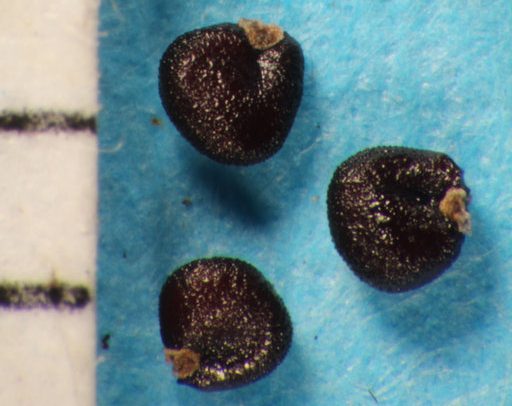
Portulaca comes in Latin means “little door.” The name is believed to refer to the way the seed capsules open – like little doors!
The specific epithet oleracea is from “holus” meaning vegetable in Latin. There are a number of vegetables that have the same specific epithet, like Brassica oleracea for broccoli and Spinacia oleraceae for spinach.
Verdolagas in Mexican Cooking
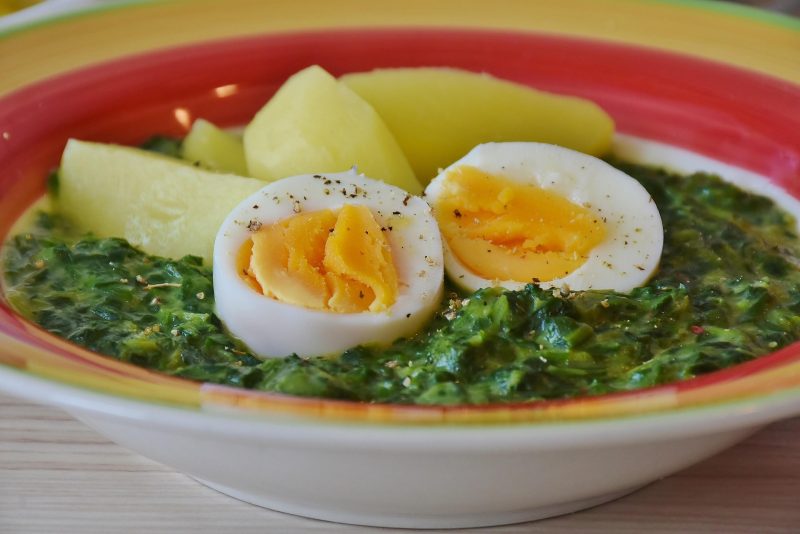
In parts of central Mexico, verdolagas are commonly cooked in a pork stew. At a street cart in a tiny village in Yucatan, I was served a steaming plate of “verdolagas con pescado.” This roadside chef created a tasty dish where a portion of steamed verdolagas were topped with chunks of fish in a salsa verde (green tomatillo sauce). It was quite good.
In Sonora verdolagas, is occasionally offered as Caldo de Verdolagas, something like our Summer Soup. More often the purslane is simply cooked in lard or bacon grease and served as part of the meal.
What Does Purslane Taste Like?
Shrug. It tastes like purslane. It’s not like anything you find in the produce section of American grocery stores.
One chef defines purslane as a “tangy, lemony, salty, acidic flavor, similar to sorrel.” I would add that it has a bit of a peppery note as well. After the first bite there is also a subtly earthy, spinach-like undertone that makes purslane a unique vegetable in a class by itself. Portulaca has a nice texture too. It is crunchy and succulent, unlike any other vegetable that I know. Maybe edible pod peas. Not as crunchy as Jicama.
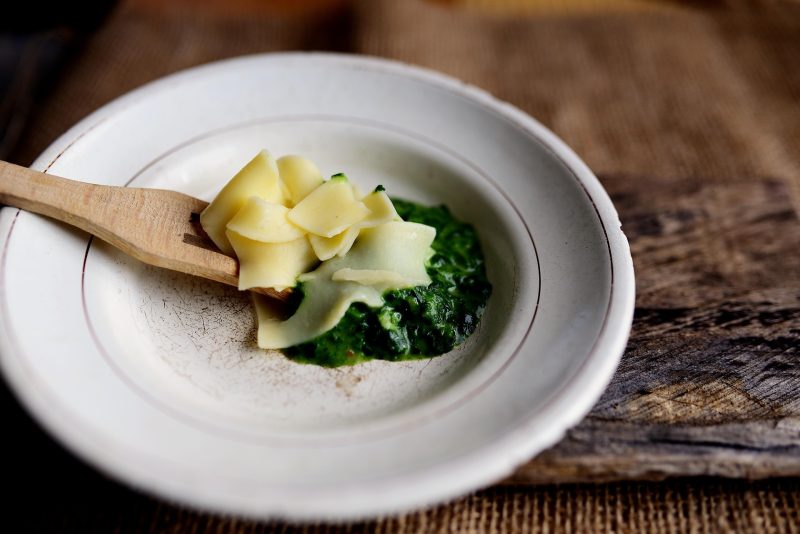
By the way that sorrel is Rumex acetosa, a garden vegetable popular in Europe and related to rhubarb. It is often used in salads. That same has a desert cousin, Rumex hymenosepalus which is and excellent winter forage. More in Forage Canagrie and Using Wild Rhubarb. Sorrel is not “woods sorrel,” an Oxalis. Oxalis is related to shamrocks, and makes a great green of its own, discussed in Zesty Oxalis.
Introduce New Foods Slowly
As with any new food, don’t eat a massive amount the first time. Baby yourself. Babies only get one new food in a 24 hour period and that rule is good for adults as well.
If you are just starting out with purslane, may I suggest NOT serving it as a steamed vegetable. I love it, and people around the world love it, but if you grew up eating only the same 30 vegetables from the supermarket, it may take a bit of getting used to. Some purslane leaves in a salad might be good, or use them the cornbread recipe we share here today.

The Nerd Ponders
 Off topic but something to consider. Introducing new things to babies/bodies. Why do pediatricians stress the importance of only one new food at a time, but then believe three to five different vaccines at one time is supposed to be okay for a baby? I have seen so very medical “facts” and “standard procedures” proven wrong over time. Like the whole ‘no hormones for menopausal women’ faulty study that doomed women to agony for 20 years. Or the 2018 revelation, ‘women’s hips are not just small men’s hips’ when it comes to hip replacement.
Forage Purslane
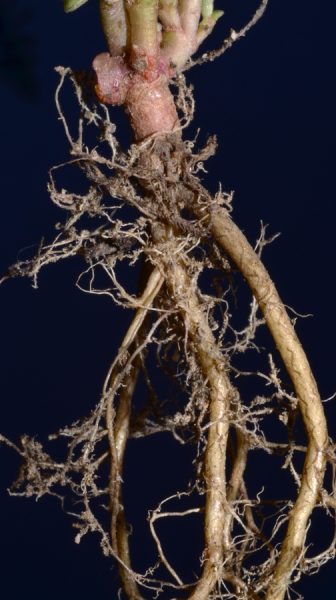
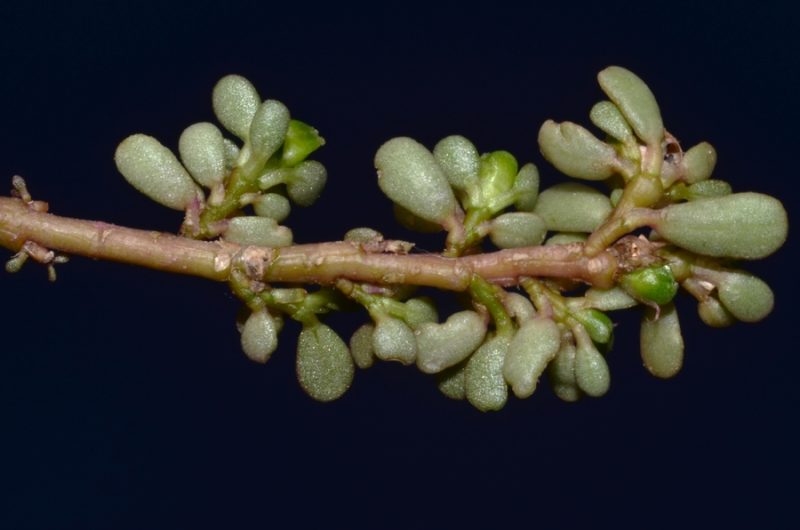
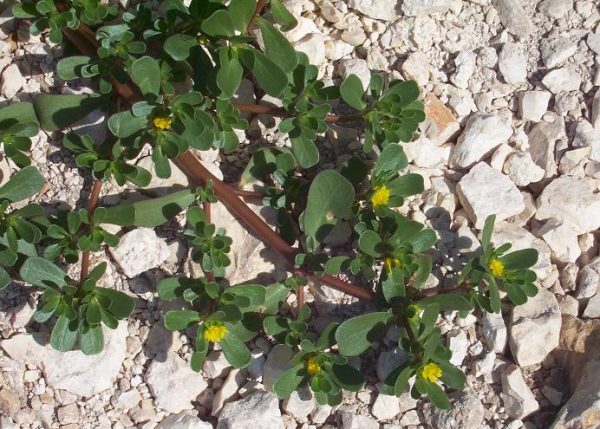
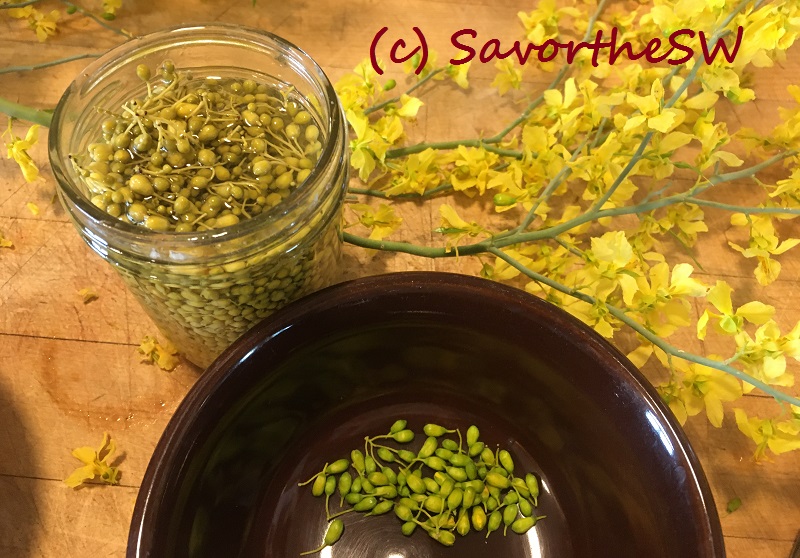
Forage the entire plant. It’s virtually all edible. Leaves, stems, flowers, even the seed pods with seeds inside, almost all of the purslane is eaten. Only the very lower part of the stems and the roots are removed.
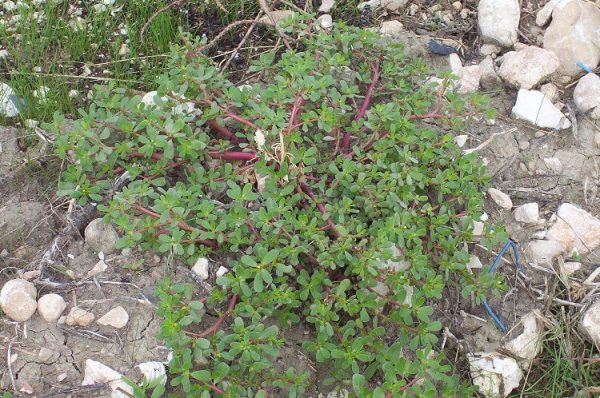
Take a good look at the pictures scattered through this post since a picture is worth a thousand words. Chances are good that you thought it was a “weed” and yanked it out of your garden at some point.
Ideally, have a reputable plant person identify the plant for you as you start your foraging. You don’t want to eat the wrong plants.
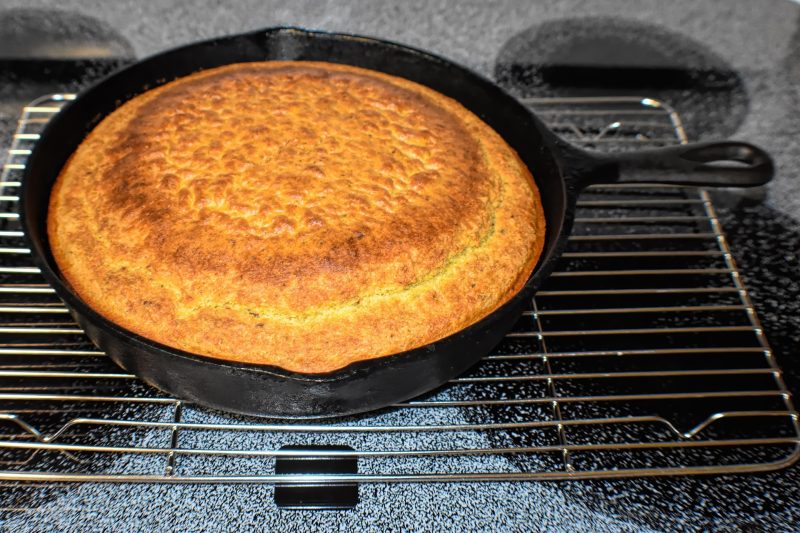
Verdolagas Corn Bread
This is a spoon corn bread, not a slice corn bread. I took this to a pot luck and an 8 year old boy told his mom and me that it was, “like mashed potatoes only lots better.” I promised her I would post the recipe, so here it is!
Ingredients
  1 pint canned corn, drained
     (we can pints of our own every year)
  3/4 cup melted butter or bacon fat
  3/4 cup milk or soup stock
  3 eggs
  1 cup corn meal or corn flour
  1/2 teaspoon baking soda
  1/2 teaspoon salt
  1 cup steamed or boiled then chopped verdolagas
  optional: 1 onion chopped and boiled with the verdolagas
Step one. Prepare the verdolagas.
Chop off the thick lower stems and toss the rest in a pot. Steam or boil them lightly. They will get further cooked in the corn bread.
I like to add finely diced onion to my greens when I boil them, but omitted it for the potluck. Once they are “relaxed” drain well. Save that wonderful water for your next soup stock.
Once drained chop up the purslane small enough that no one gets a long stringy bit in their corn bread. Set aside and make the cornbread.
Step two. Make the corn bread.
Preheat the oven to 400F
Get a 9 or 10 inch round cast iron skillet ready. A cake pan will work too.
Mix the dry ingredients in a bowl and set aside.
In a large bowl, combine almost all the wet ingredients. Just the corn, melted butter, milk, eggs, not the purslane yet. Get them mixed well.
Add the dry cornmeal mix a bit at a time, blending well.
When mixed, add the cooked greens and pour into the pan.
Bake at 400F for about 45 minutes, might be a tad more than that.
Cool slightly before spooning.
Verdolagas May be a Kino Plant
Verdolagas was perhaps brought to our area in Father Kino’s time. Or it may have already been growing in the fields among the Three Sisters of corn, beans, and squash. It’s hard to say for sure but we do know that indigenous peoples in other parts of the New World have been using the plant since around 1000 AD. Possibly seeds were brought by the sailors and settlers that came from the Old World before the more widely known voyages of the Spanish, Portuguese, and English.
And Here’s Our Cookbook!
 May we suggest our dandy little cookbook?
Using Honey in New and Savory Ways offers 36 pages of tips for using honey in your cooking, as well as in all manner of dishes.
We hope you will help support some local Southwest folks!
From the review:
“Honey is for more than desserts and this book can help! Using honey in cooking savory dishes helps engage all your taste buds and adds a layer of added flavor to everyday dishes – plus holiday fare.”
Beekeeper? We offer volume discounts – because if you sell honey in local markets you might want to offer some of these books as well.
About the Author:
Jacqueline A. Soule, Ph.D. is an Ethnobotanist, Associate Researcher at the University of Arizona Herbarium, and Chair of the Desert Legume Program (DELEP) Advisory Board. She is author of 15 books, countless articles, and is a popular public speaker. She researches traditional uses of plants by local peoples and writes about growing and using plants of the Sonoran Desert for two sites
gardeningwithsoule.net
here at
savorthesouthwest.net
Copyright
© Article copyright Jacqueline A. Soule. All rights reserved. You must ask permission to republish an entire blog post or article. Okay to use a short excerpt – but you must give proper credit to Savor the Southwest. You must include a link to the original post on this site. No stealing photos.
Disclaimer
The authors of this website have researched the edibility of the materials we discuss, however, humans vary in their ability to tolerate different foods, drinks, and herbs. Individuals consuming flowers, plants, animals or derivatives mentioned in this blog do so entirely at their own risk. The authors on this site cannot be held responsible for any adverse reaction. In case of doubt please consult your medical practitioner.
Be the first to reply